
A little room to wonder
Word Families & Word-building
Words can contain smaller meaningful parts. Recognising bases and affixes helps explain related meanings, but similar spelling alone does not establish a word family.
What changes when a base gains a prefix or suffix?
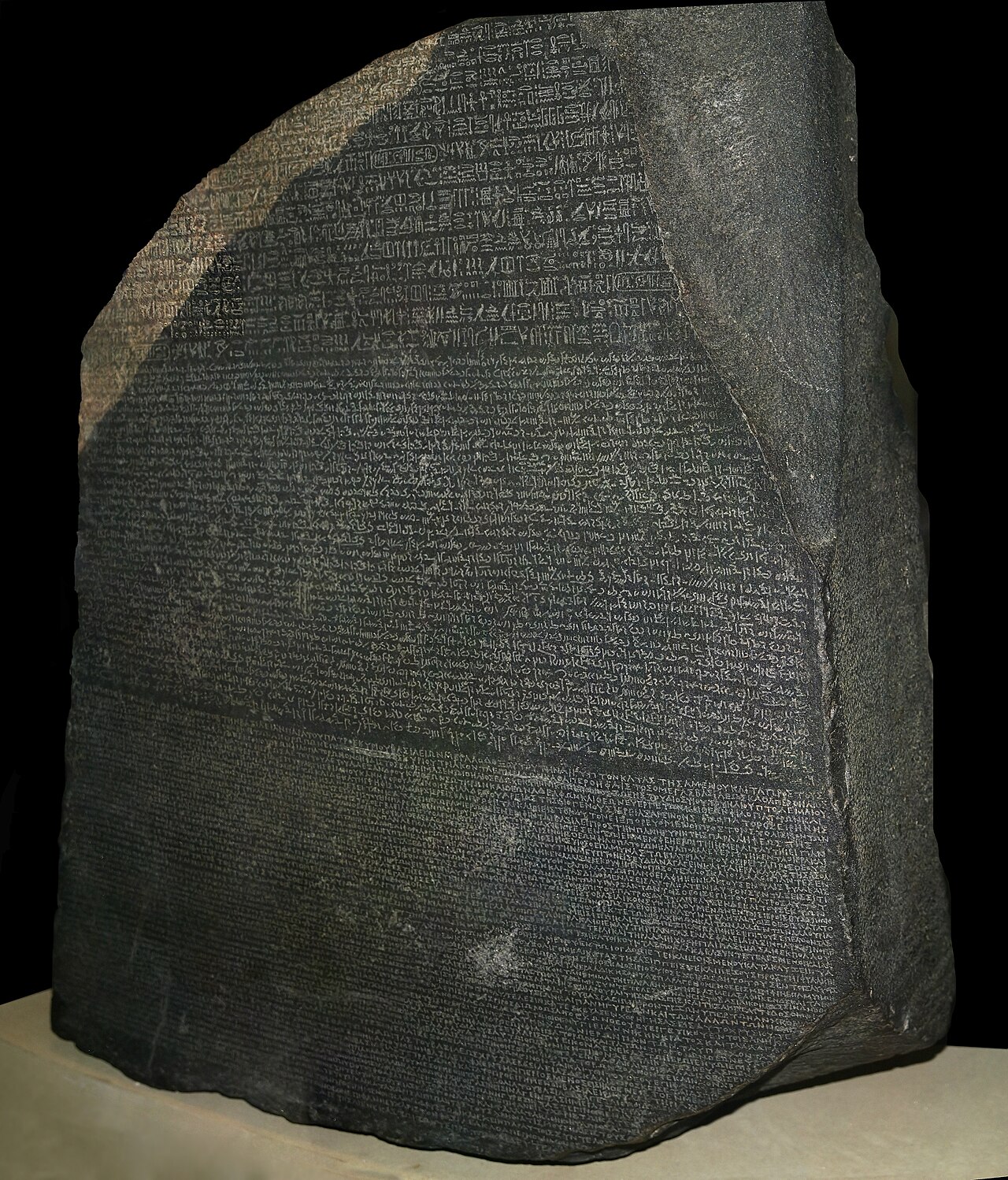
Find meaningful parts, not arbitrary letter chunks
A morpheme is a small unit carrying meaning or grammatical information. A free base can stand alone, such as “play”. An affix attaches to another part: a prefix comes before a base and a suffix after it.
Morphemes are not the same as syllables. A syllable concerns a spoken beat; a morpheme concerns meaning or grammatical function. Counting one does not automatically tell you the other.
Track the kind of change
Adding re- to play gives replay, with a sense of doing it again. Adding -er can form player, someone who plays. Adding plural -s gives players. Some additions form a new word; others mark a grammatical form.
Do not assume that an affix has one meaning in every word. The prefix un- can negate a quality in “unfair” or reverse an action in “untie”. Context and an established word’s meaning matter.
Worked example: an original word-family map
An invented sentence says, “The robot replays the tune.” Its verb can be analysed as re- + play + -s: the base concerns playing, re- contributes repetition, and -s marks the present-tense form used with this singular subject.
Compare “The players rehearse.” Here players is play + -er + -s: -er forms the participant noun and -s marks more than one. The final spelling is the same -s, but its grammatical role differs. The sentence supplies the evidence for deciding which job it does.
A useful pattern has limits
Not every word ending in the letters er names a person doing an action. “Winter” is not someone who “wints”. A sensible analysis must explain the whole word’s meaning, not only find familiar letters.
A word-family map is a hypothesis you can check with a suitable dictionary or explicit context. You can practise using the supplied words without collecting personal vocabulary records or assessing anyone’s reading ability.
Only if you feel like trying
Build and explain a small word family.
- Map play, replay, player and players using labelled branches.
- Underline the -s in the two supplied sentences and explain its different grammatical role.
- Write one new fictional sentence using a family member, then check that each proposed part contributes meaning.
Optional. Use the supplied fictional example, pencil and paper, or explain your choices aloud. No personal story, account, purchase, public sharing or contact is needed.
Look at the sources.
These references offer further reading on the ideas here. Check who published them, what they support and what you would ask next.
- NSW Education Standards AuthorityEnglish K–10 Syllabus (2022): Glossary
Research checked 1 November 2026. External pages have their own content and privacy practices.
Where could this connect?
These are editorial links between subjects. You choose which, if any, to follow.
Languages
Word-building connects a word’s internal structure with meaning and grammatical use.
Follow this connection
Patterns & Algebra
A repeated form can suggest a pattern, while a counterexample shows why the rule needs conditions.
Follow this connectionWriting for Different Purposes
Choosing a word form depends partly on the job it needs to do in the sentence.
Follow this connection