
A little room to wonder
Movement through Water
Fish use different combinations of body and fin motion. A position record can describe progress, while explaining that movement requires additional evidence about the structures, forces and surrounding water.
Why does a faster position change not prove that a particular fin caused the increase?
Several structures can contribute
The Florida Museum describes varied swimming patterns, including wave-like body motion and different uses of tail and paired fins. Fins can contribute to propulsion, steering or stabilisation in combinations that differ among fishes. It is misleading to assign one identical job to every fin in every species.
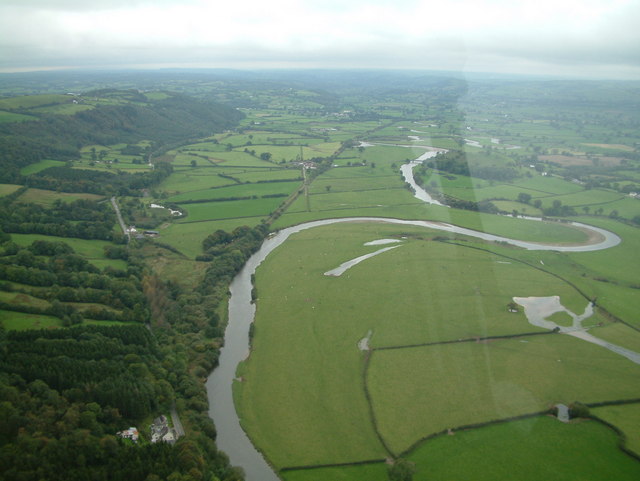
A structure’s shape can suggest a question about movement, but an explanatory claim needs observations of its action and conditions. A still picture cannot show a complete stroke cycle. The river photograph supplies a watery setting, not an animal or a measurement of its swimming.
Worked example: an invented position record
A fictional fish marker on a paper channel is recorded at positions zero, six and fourteen centimetres at times zero, two and four seconds. Its first interval covers six centimetres in two seconds, giving an average progress of three centimetres per second. The second covers eight in two, giving four centimetres per second.
Across the full four seconds, it advances fourteen centimetres, so the overall average progress is 14/4 = 3.5 centimetres per second. This model assumes straight forward motion along one marked axis. The values are invented and describe motion relative to the paper channel, not performance of a real species.
A frame of reference matters
An animal can move relative to nearby water while the water also moves relative to the bank. A position measured from a fixed bank therefore does not automatically equal swimming speed relative to the water. The reference and direction need to be stated before combining motion claims.
The supplied records also say nothing about tail-beat frequency, effort or which fin was active. A greater average progress in the second interval could have several explanations in a real setting. A cause cannot be selected just because it makes a tidy story.
Describe first, explain with suitable evidence
A useful analysis separates what the position values show from what remains unobserved. You might propose measuring water motion and recording body movement over the same interval, while keeping that proposal separate from completed evidence. More numbers are useful only if they address the actual question.
A paper sequence can explore the distinction without keeping fish, changing a tank, entering water or testing an animal. You can revise an invented position and recalculate while preserving the earlier version. Accurate limits are part of understanding movement, not a failure to reach a conclusion.
Only if you feel like trying
Compare two motion intervals
- Draw the fictional channel axis and plot the three supplied positions at their matching times. Label the values invented.
- Calculate both interval averages and the overall average progress. State the fixed reference used.
- Change the final position to twelve centimetres and recalculate. Explain why neither version identifies which fin caused the motion.
Optional fictional paper calculation. No swimming, aquarium change, water experiment, animal observation requirement or handling.
Look at the sources.
These references offer further reading on the ideas here. Check who published them, what they support and what you would ask next.
- Florida Museum of Natural History, University of FloridaHow fish swim
Research checked 1 November 2026. External pages have their own content and privacy practices.
Where could this connect?
These are editorial links between subjects. You choose which, if any, to follow.
Measuring Motion & Speed
Average motion requires a measured distance or displacement, elapsed time and reference.
Follow this connection
Models & Explanations
A numerical movement description does not by itself establish a mechanism or cause.
Follow this connectionZoology
Zoology compares how animals move in their surroundings; movement through water involves structures and forces as well as a record of changing position.
Follow this connection