
A little room to wonder
Character & Motivation
A character’s choices become easier to understand when a reader can connect what they want, what they believe and what stands in the way. The explanation can remain complicated without becoming arbitrary.
What would make two different choices believable for the same fictional character?
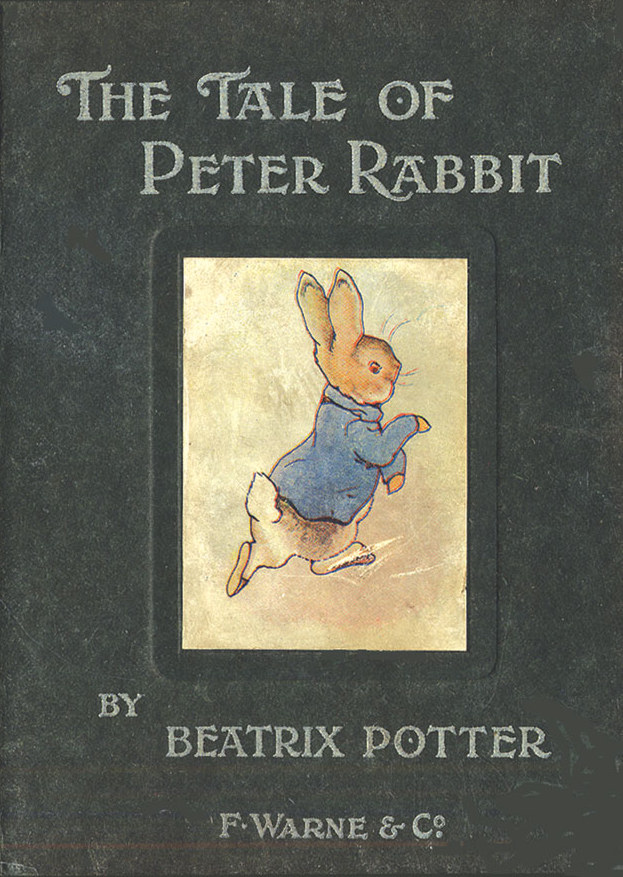
A trait is a label; a choice gives us evidence
A character is an actor within a story: a person, animal, robot or another invented being. Motivation is a reason for acting. A goal describes what the character wants to bring about, while an obstacle makes that goal harder to reach. These are tools for writing, not rules that every story must announce each part explicitly.
Calling a courier loyal does not tell a reader whom they help when two promises conflict. A choice, its context and its consequences let the reader build an interpretation. A character can also be mistaken about what will help. Believable does not mean perfectly sensible or morally approved; it means the story provides enough support for the reader to follow.
Worked example: one courier, two defensible scenes
Here is an original fictional setup. Mira has promised to deliver a festival map before the lanterns are lit. On the way, a small delivery robot asks for help with a jammed wheel. Mira believes the map is the only copy. In version A, she carries it straight to the festival and asks a mechanic there to help the robot afterwards. Her choice protects the delivery deadline but delays the repair.
In version B, Mira learns that the organisers already have a readable copy. She stops to help the robot and sends a message explaining the delay. The changed information changes the cost of stopping. Neither version requires a sudden personality swap. Write the new information into the scene before relying on it to explain her decision.
Give a choice more than one consequence
A simple planning grid might contain goal, belief, obstacle, choice and consequence. For version A, the map arrives on time, but the robot waits. That consequence creates a later question: does Mira check whether the promised help actually arrived? A character becomes more particular when an action leaves something to respond to.
Avoid turning a single action into an all-purpose diagnosis or a verdict about somebody’s character. Fiction allows access to an invented person’s thoughts because the writer constructs them. It does not give us the same access to real people. You can develop an entirely invented courier rather than write from personal experiences.
Revise the cause before decorating the description
If a choice feels unexplained, check what the character knows and values at that moment. Adding another adjective may not fix the missing link. Change one belief or obstacle, then see whether the action still makes sense. A short, complete scene with a clear decision can do more work than a page listing traits.
Only if you feel like trying
Write two believable choices
- Copy Mira’s goal, belief and obstacle into three labelled boxes. Add one possible cost of each choice.
- Write a four- to six-sentence scene for one version, including the information Mira uses and a consequence.
- Change one piece of information and write a different final choice. Explain why the revision follows from that change.
Optional original fiction. You may dictate, use bullet points or discuss the choices; personal disclosure, acting and public sharing are unnecessary.
Look at the sources.
These references informed this introduction. You can check who published them, what evidence they use and whether you would ask another question.
- The Open University, OpenLearnStart writing fiction
- Professor Johannah Rodgers, New York City College of Technology, CUNYThe Formal Elements of Fiction
Research checked 1 November 2026. External pages have their own content and privacy practices.
Where could this connect?
These are editorial links between subjects. You choose which, if any, to follow.
Characters & Player Choices
A meaningful game decision also needs alternatives and consequences that the player can understand.
Follow this connection
Minds & Consciousness
An invented character’s inner thoughts are authored; a real person’s inner experience cannot simply be read from an outward action.
Follow this connectionStorytelling
Storytelling introduces narrative choices; motivation connects a particular character’s information and aims to an action.
Follow this connection