
A little room to wonder
Playtesting & Balancing
Ask a specific test question, record observations and revise one part without overclaiming the result.
What observation would tell you that a rule needs revision?
Choose what the test is for
Playtesting means trying a version of a game to learn how it behaves in use. Different tests answer different questions: can the goal be reached, are instructions understandable, or does one option overwhelm all others? A vague request to “see if it is good” makes observations harder to interpret.
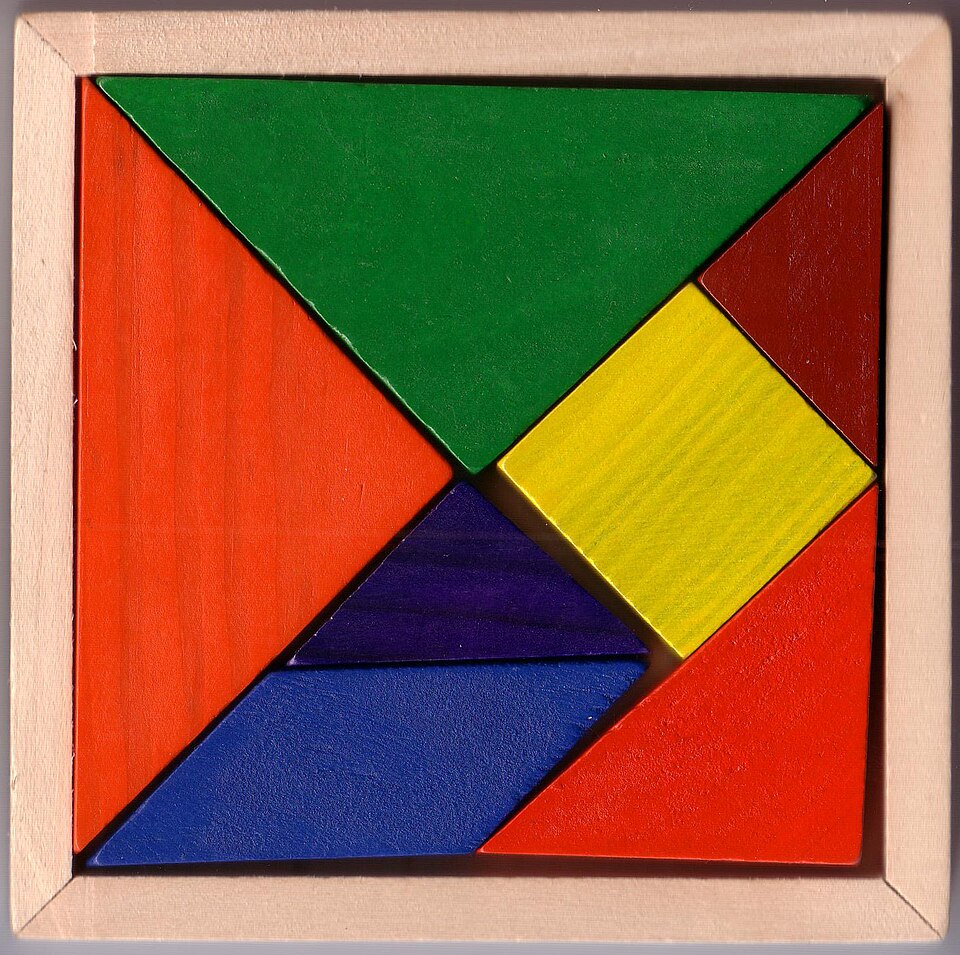
A prototype is a version built to explore a question. It can be a paper map and counters. State what is incomplete so a rough drawing is not mistaken for a finished visual design, and do not confuse a successful rules check with proof of broad enjoyment.
Record what happened
Use this invented test log for a solo puzzle. Trial A took 8 moves with the original rules. Trial B took 5 after a shortcut was added. Trial C took 6 with the shortcut still available. These are fictional example observations, not a claim about actual participants.
The shortcut is a plausible influence, but the trials also differ in order: familiarity might reduce moves. You cannot confidently attribute the entire change to one rule from these three values. A better comparison states the setup, repeats relevant cases and records what the player knew.
Balance relates to an aim
Balance does not necessarily mean every option is identical or every player wins equally often. It can mean that several strategies remain useful for the experience you intend. In a fictional choice between routes, a route that is always shorter and costs no resource may make the alternative irrelevant.
Changing a cost, reward or piece of information can create a trade-off. Before changing several things, predict what one change should affect. Keep a version note with the old rule, new rule and reason. Otherwise a later result may be impossible to connect to a particular revision.
Feedback has a scope
An observation such as “the goal label was missed” differs from an interpretation such as “the game is too hard”. Ask which detail supports the interpretation and what else could explain it. One person’s chosen trial is useful evidence about that trial, not a verdict on every possible player.
Only if you feel like trying
Keep a two-version test note
- Choose a fictional paper puzzle and one question, such as whether the goal is reachable.
- Write the original rule and trace two example plays yourself.
- Change one rule, repeat the traces and record the observed difference and remaining uncertainty.
Optional solo paper exercise. Any later helper can choose whether to participate; do not collect names or private participant information.
Look at the sources.
These references informed this introduction. You can check who published them, what evidence they use and whether you would ask another question.
- MIT OpenCourseWareGame Design assignments
- MIT OpenCourseWareAssessment Design: Game Design
Research checked 1 November 2026. External pages have their own content and privacy practices.
Where could this connect?
These are editorial links between subjects. You choose which, if any, to follow.
Games
Playtesting checks how a game’s rules create the intended experience.
Follow this connection
Products & Prototypes
A prototype is useful when its test question and limits are explicit.
Follow this connectionStatistics & Data
Small datasets need context, comparable measurements and restrained conclusions.
Follow this connection