
A little room to wonder
Games
Games create experiences through rules, choices, goals and feedback. Designing a game means asking what a player can do and why those choices matter.
How does changing one rule change the choices available to a player?
Rules create possibilities
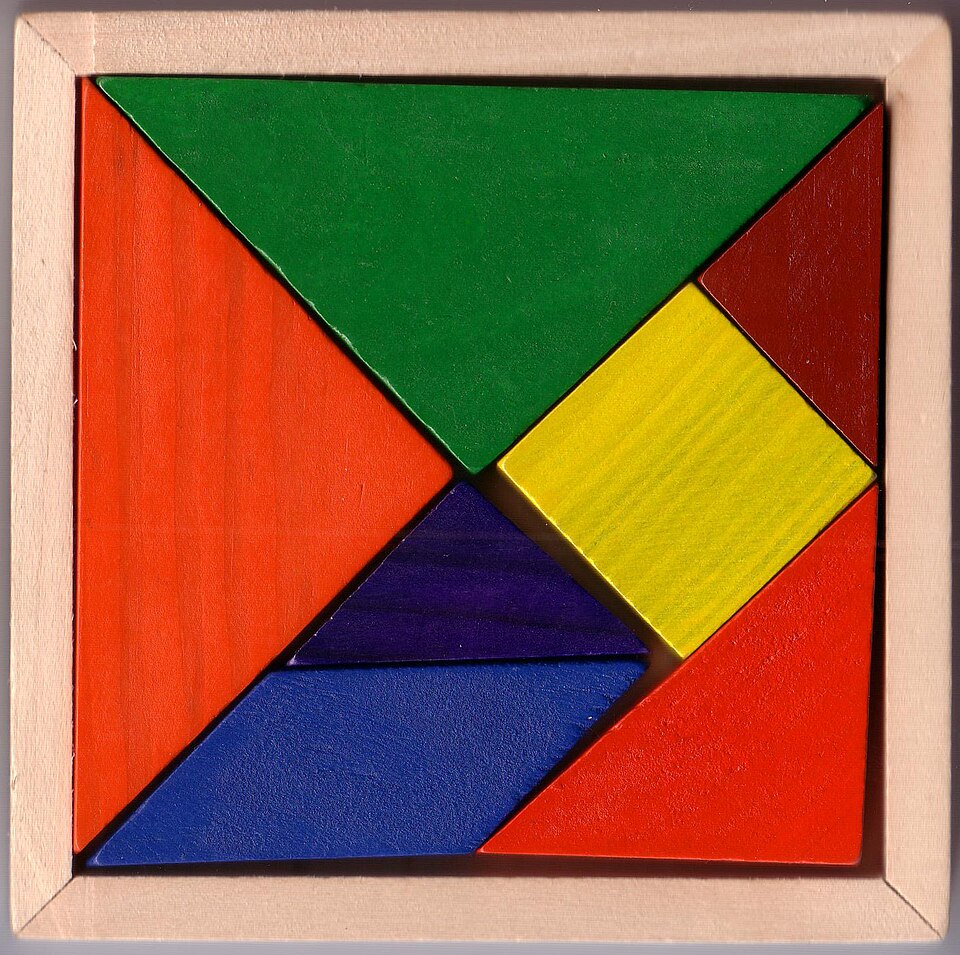
A rule defines what is allowed or what happens after an action. A mechanic is a repeatable action or system, such as moving, collecting or taking turns. Changing a movement rule can create a different puzzle without changing the artwork. Describe the player’s choices rather than only listing features you want to include.
Information is part of play
Players need enough information to make sense of an action and its result. A symbol, sound or visible change can provide feedback. Character art and environments can also suggest meaning. Ask whether a rule is understandable and whether important information depends on colour, quick reactions or an assumed skill.
Start with a playable question
A paper version can test a game idea before programming. Decide what you want to learn, try a small version and change one part. One person’s experience cannot establish that everyone will enjoy it. Keep notes about the rules and observations, rather than judging yourself by whether the first version is fun.
Only if you feel like trying
Change one movement rule
- Draw a 3-by-3 grid. Mark the lower-left square Start and upper-right Finish; block the centre square.
- Try reaching Finish by moving one square up, down, left or right. Keep within the grid.
- Allow diagonal moves and compare the routes. Write which choices changed and which goal stayed the same.
Optional paper puzzle. No gaming account, download, purchase, gambling, online player contact or public posting is required.
Look at the sources.
These references informed this introduction. You can check who published them, what evidence they use and whether you would ask another question.
- ACMIGame Builder
- ACMIGame lessons
Research checked 1 November 2026. External pages have their own content and privacy practices.
Where could this connect?
These are editorial links between subjects. You choose which, if any, to follow.
Art
Character art, environments and visual clues help communicate the world and the choices available to players.
Follow this connection
Characters & Player Choices
Player choices connect a game’s actions with its characters, story and changing state.
Follow this connectionComputing
Code represents the rules, handles input and updates the game state.
Follow this connectionGame Worlds & Level Design
A game world organises the spaces and information through which its rules become player decisions.
Follow this connectionPlaytesting & Balancing
Testing and revision show how game rules behave in play rather than only in the designer’s imagination.
Follow this connectionRules & Mechanics
Rules and mechanics define the actions and changing situations that make a game playable.
Follow this connectionZoology
Observing animal movement and behaviour can inspire a creature’s animation or abilities; label invented game behaviour as fiction.
Follow this connection