
A little room to wonder
Evidence & Archives
Track where a record came from and what it can support, including gaps in the surviving archive.
What changes when you read a record alongside its original context?
A record was created for a reason
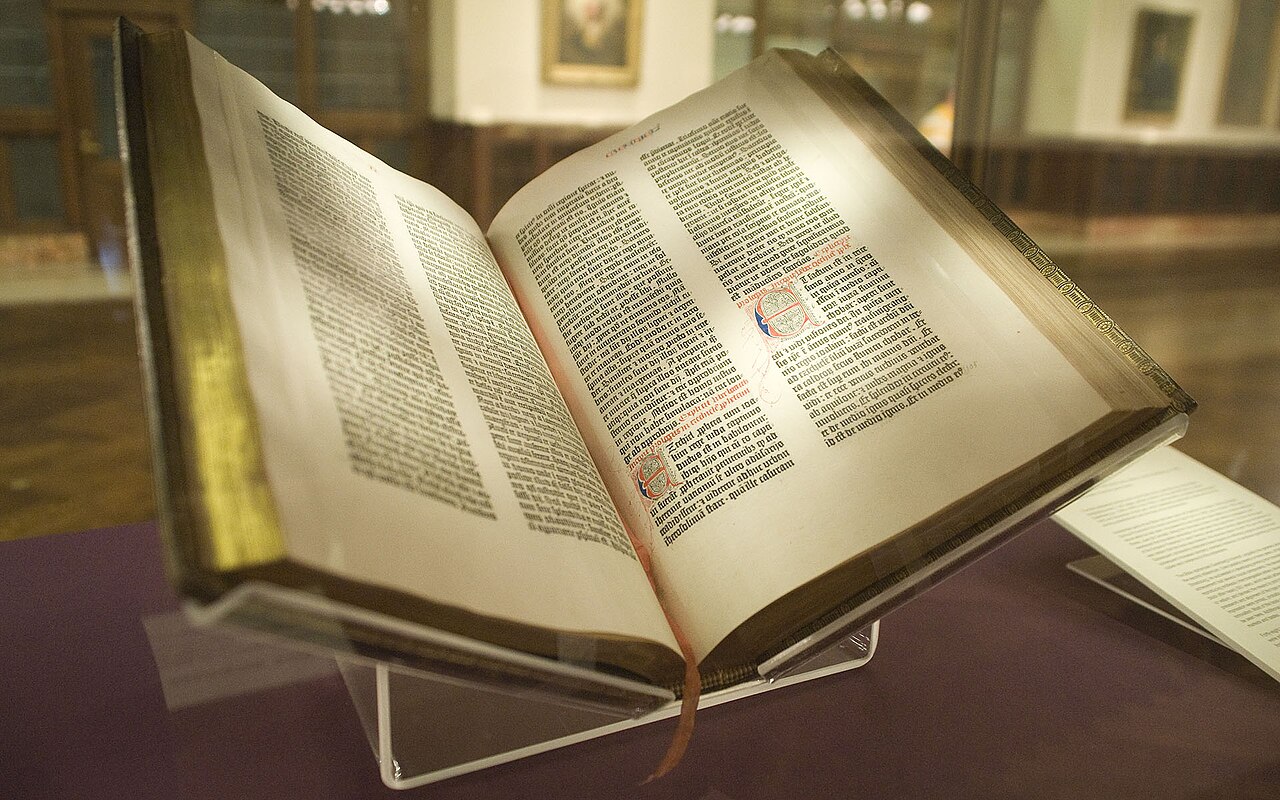
An archive preserves records created through people’s activities. A letter, register, photograph or sound recording may become evidence for a historical question. Its original purpose was often different from the question a later researcher brings to it. A receipt records a transaction; it may not explain why the buyer wanted the item.
A primary source has a direct relationship to the period or event under investigation. That relationship does not make every statement within it accurate. An eyewitness can misunderstand, a photograph can be selectively framed and an official form can use categories that exclude important experiences.
Provenance preserves a relationship
Provenance concerns the origin and history of a record. Who created it, through which activity, and how did it reach this collection? Records kept with related material can provide context that disappears if an isolated page is rearranged by subject or shared without its catalogue information.
Keep a source identifier, creator, date, collection and relevant page or item reference in your notes. Distinguish the record’s own date from the date it was scanned or uploaded. A new digital file can reproduce a much older record.
Work through a fictional disagreement
An invented club notice dated 4 June says an exhibition will open on 10 June. An invented letter dated 9 June says it has been postponed. The notice supports a claim about the planned opening, while the letter suggests a changed plan. Neither alone establishes when visitors actually entered.
A useful next source would concern what happened, such as a dated report or entry record. Writing “the exhibition opened on 10 June” from the notice alone confuses intention with outcome. The disagreement gives the inquiry a direction rather than a reason to discard both sources.
An archive is not the whole past
Records survive unevenly because of creation, selection, loss and access. Missing evidence does not automatically establish that an event never occurred. State what you searched, whose perspective the records represent and what remains unknown. You can investigate public examples without asking for private family or participant records.
Only if you feel like trying
Make a source card
- Use the two fictional exhibition records above.
- Write a source card for each with creator marked “invented”, date, purpose and supported claim.
- Add one unresolved question and a type of evidence that could address it.
Optional fictional research exercise. No sensitive records, family history, archive account or contact with strangers is required.
Look at the sources.
These references informed this introduction. You can check who published them, what evidence they use and whether you would ask another question.
- National Archives of AustraliaResearch skills
- National Archives of AustraliaWhat are archives?
Research checked 1 November 2026. External pages have their own content and privacy practices.
Where could this connect?
These are editorial links between subjects. You choose which, if any, to follow.
History
Historical explanations depend on understanding what surviving records can support.
Follow this connection
Knowledge & Evidence
A source’s existence and the truth of every claim within it are different questions.
Follow this connectionStatistics & Data
Categories, missing records and collection methods affect what a dataset can establish.
Follow this connection