
A little room to wonder
Knowledge & Evidence
Knowledge questions connect a claim with the reasons for accepting it. A believable message, an accurate observation and a justified conclusion are related but different things.
What would make a source good evidence for this particular claim?
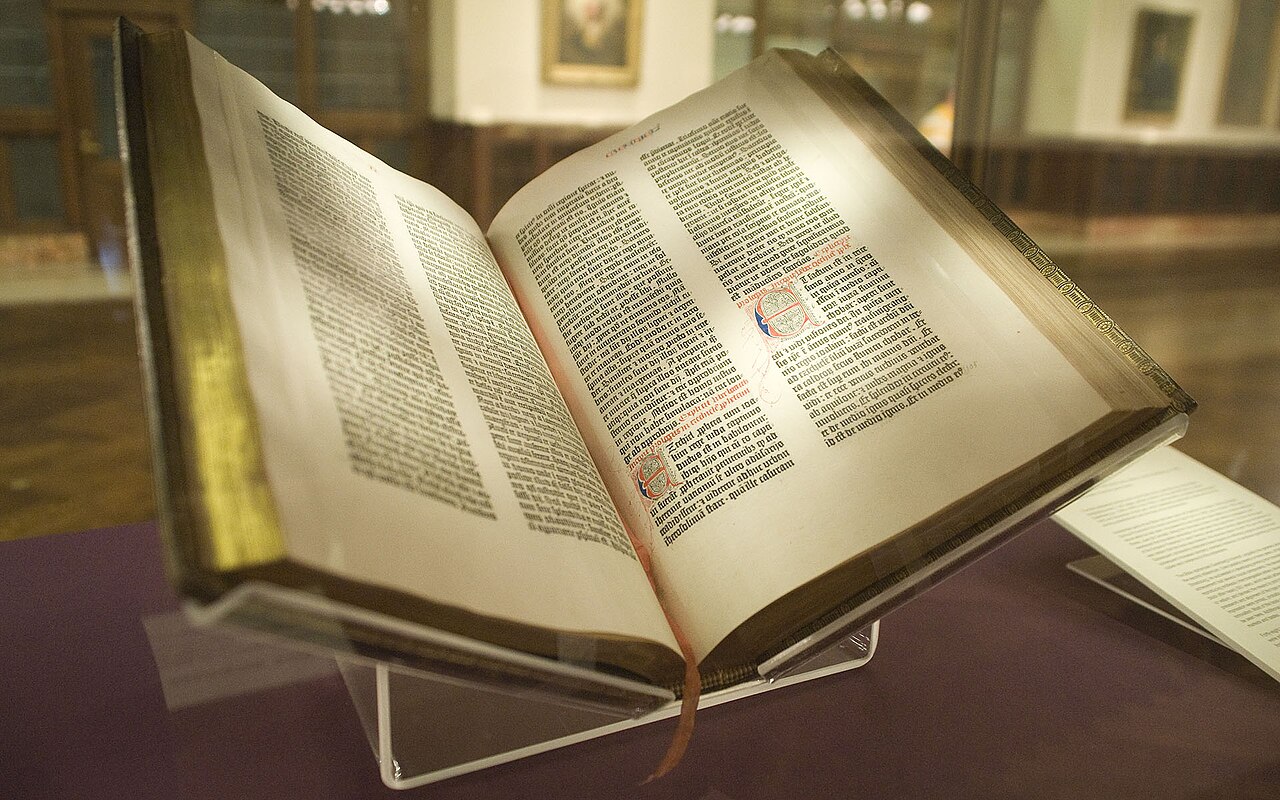
A claim needs an appropriate kind of support
Epistemology studies knowledge and justification. People learn through perception, reasoning, memory and other people’s reports, but each can have limits. A source may be reliable about one subject and poorly placed to answer another. Ask what the claim requires and whether this source had a way to know it.
Truth and justification are distinct questions. A lucky guess can turn out correct without having been well supported when it was made. Conversely, a careful conclusion can require revision when better evidence appears. Keeping track of reasons helps you explain a change of mind without pretending that earlier uncertainty never existed.
Worked example: two fictional bridge notices
Suppose a fictional walking-route page says “East Bridge open”, updated at 9 am. A signed inspection notice says “East Bridge closed for repair from 10 am”, issued at 10.30 am. At 11 am, the notices disagree about whether the route is available. The later notice identifies a relevant event and its timing; the earlier page may simply not have been updated.
A cautious conclusion is that the 9 am page does not establish that the bridge remains open at 11 am. Before relying on the inspection notice, check who issued it, whether it names this exact bridge and date, and whether a later correction exists. “Newest wins” is too simple: an unrelated new social post would not automatically outweigh a relevant official inspection. This scenario is invented, not travel advice.
Independence matters when comparing reports
Five pages repeating the same unverified message are not five independent observations. Trace where a statement began. If one report supplies the words and the other four copy it, you have evidence of repetition rather than four additional checks. A second source becomes more informative when it brings a genuinely different route to the evidence.
Uncertainty does not mean every explanation is equally supported. You can say that one account fits the available evidence better while still naming an unresolved gap. Nor does one mistaken statement prove that everything from a source is false. Evaluate the specific claim, its context and the process used to produce it.
Keep a reason trail, not a confidence performance
For a small investigation, record four things: the claim, the evidence, the link between them and what could change your conclusion. For the bridge example, the missing check might be whether the inspection covers the same date. This form makes the next research step concrete. It is useful even when the answer remains “not established”, and it does not require you to disclose personal experiences or become certain on demand.
Only if you feel like trying
Audit the invented notices
- Draw a timeline with 9 am, 10 am, 10.30 am and 11 am. Place each fictional claim at the appropriate point.
- Write what each notice supports and one check it does not satisfy by itself.
- Add an invented third notice. Explain whether it supplies independent evidence, a correction or only a repetition.
Optional source-reasoning exercise. Use the supplied fiction; do not visit a bridge, identify your location or contact an organisation.
Look at the sources.
These references informed this introduction. You can check who published them, what evidence they use and whether you would ask another question.
- Stanford Encyclopedia of Philosophy, Stanford UniversityEpistemology
- Stanford Encyclopedia of Philosophy, Stanford UniversityCritical Thinking
Research checked 1 November 2026. External pages have their own content and privacy practices.
Where could this connect?
These are editorial links between subjects. You choose which, if any, to follow.
Evidence & Archives
Dates, creators and original records help establish what a source can support about a particular time.
Follow this connection
Philosophy
Philosophy introduces reasoned inquiry; epistemology examines what supports knowledge and justified belief.
Follow this connectionStatistics & Data
A collection of observations needs an explanation of how it was produced before it can justify a wider conclusion.
Follow this connection