
A little room to wonder
Philosophy
Ask clear questions, examine reasons and test ideas without needing instant certainty.
What would count as a good reason to change your mind?
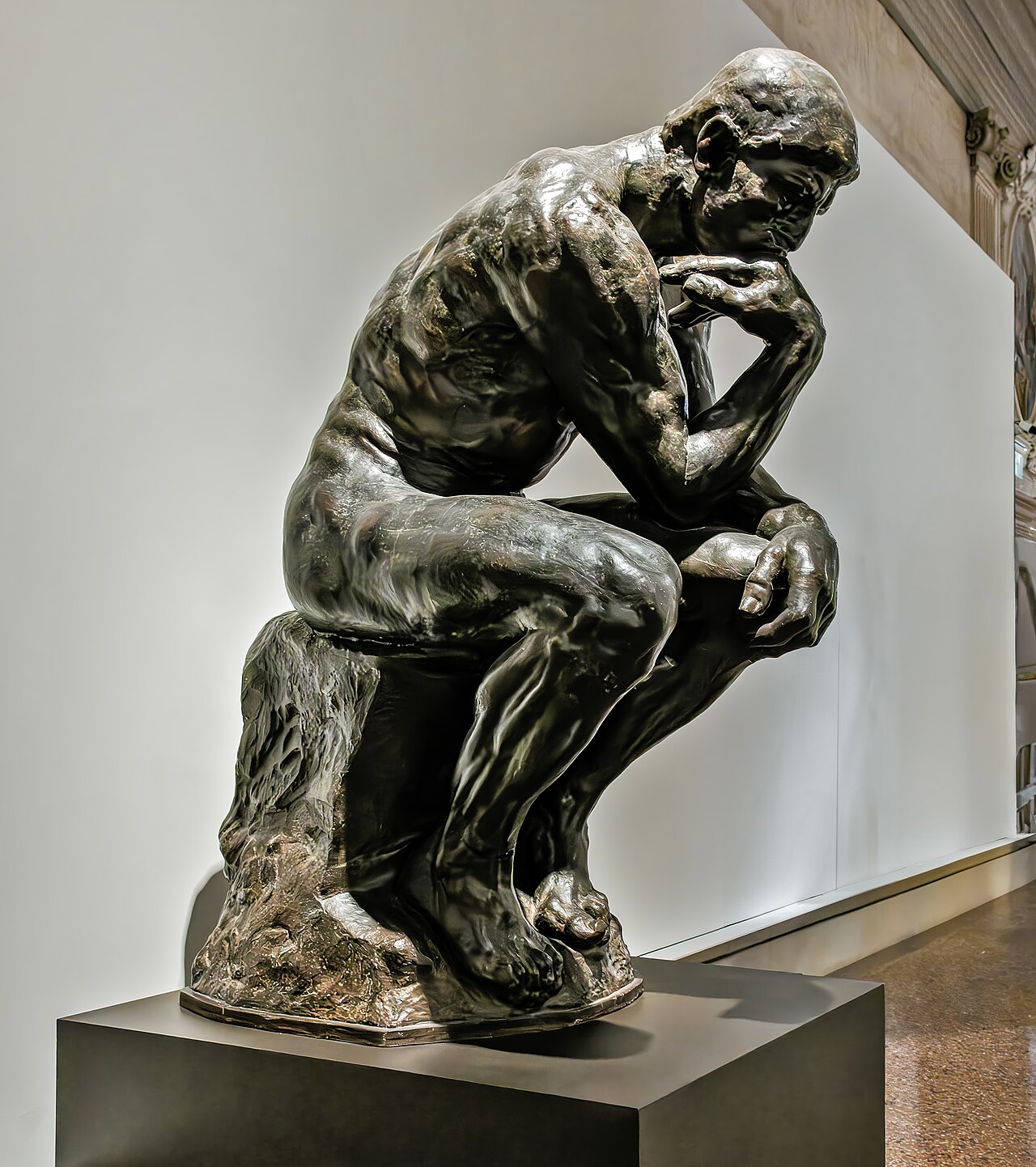
Make the question clearer
Philosophy examines questions about knowledge, reasoning, values and how to understand the world. Some questions need measurements; others need careful work on what words mean or which reasons support a judgement. Often an inquiry needs both.
“Is this game fair?” is a starting point, but fairness could mean equal turns, equal chances or support for different needs. Clarifying the term helps reveal what people actually agree or disagree about.
Find the argument
An argument, in this sense, is a conclusion supported by reasons. “Use equal turns because each player should have the same opportunity to act” contains both. You can examine the reason without attacking the person who offered it.
Ask whether the reasons are accurate and whether they support that conclusion. A confident voice, a popular opinion or an impressive title does not settle those questions. Relevant knowledge still matters: reasoning cannot substitute for facts you have not checked.
Try another possibility
In a fictional game, one player needs longer to read each card. Equal seconds may produce unequal opportunities to understand a turn. This example does not settle every fairness question; it shows why a simple rule may need closer examination.
A counterexample tests a claim. An alternative explanation tests whether the first explanation is the only plausible one. You can revise a claim or leave a question open when the available reasons do not justify certainty.
Only if you feel like trying
Test a game rule
- Consider this invented rule: “Every player must finish a turn in ten seconds.”
- Write one reason for it and one situation in which it could be unfair.
- Propose a revised rule. Explain what it improves and what question remains.
Optional fictional discussion or writing. You can explore a claim without sharing personal beliefs or experiences.
Look at the sources.
These references informed this introduction. You can check who published them, what evidence they use and whether you would ask another question.
- Stanford Encyclopedia of Philosophy, Stanford UniversityCritical Thinking
Research checked 1 November 2026. External pages have their own content and privacy practices.
Where could this connect?
These are editorial links between subjects. You choose which, if any, to follow.
Arguments & Logic
Philosophy asks for reasons; argument analysis makes the structure of those reasons visible and testable.
Follow this connection
Computing
A system follows its rules, so examining the assumptions in those rules matters.
Follow this connectionEthics & Fairness
Philosophy examines reasons for judgements; ethics applies that examination to choices affecting others.
Follow this connectionGames
Game rules make questions about fairness and competing aims concrete.
Follow this connectionHistory
Evaluating a historical explanation requires attention to evidence and justified conclusions.
Follow this connectionKnowledge & Evidence
Philosophy introduces reasoned inquiry; epistemology examines what supports knowledge and justified belief.
Follow this connectionMinds & Consciousness
Philosophy examines concepts and reasons; consciousness asks how experience relates to the processes and behaviour we can observe.
Follow this connection