
A little room to wonder
History
Investigate the past through surviving evidence, careful questions and more than one perspective.
How can we know something about a time we did not experience?
Start with a question
History is an investigation, not just a list of dates. A question such as “How did people send messages before mobile phones?” gives an inquiry a direction. Narrowing the place and period makes it possible to examine evidence in useful detail.
Sources can include objects, buildings, letters, photographs, newspapers and recorded accounts. A source made during the period can offer direct evidence, but it cannot automatically answer every question about that period.
Ask where a source came from
For each source, ask who made it, when, for whom and for what purpose. An advertisement may reveal what a company wanted people to believe. It is weaker evidence for whether every customer actually had that experience.
A later explanation can bring many sources together. Check which evidence supports its claims. “Primary” and “secondary” describe a source’s relationship to an inquiry; they are not simple labels for trustworthy and untrustworthy.
Compare, then explain
Imagine two fictional photographs of the same street, taken thirty years apart. One shows a tram and the other a bus. You can describe that difference, but you would need further dated evidence to explain when and why the transport changed.
Surviving records are incomplete. Some people had more opportunity to create records or have them preserved. A careful account states what the evidence supports, whose perspectives are missing and where uncertainty remains. New evidence can justify a revised explanation.
Only if you feel like trying
Make a tiny source investigation
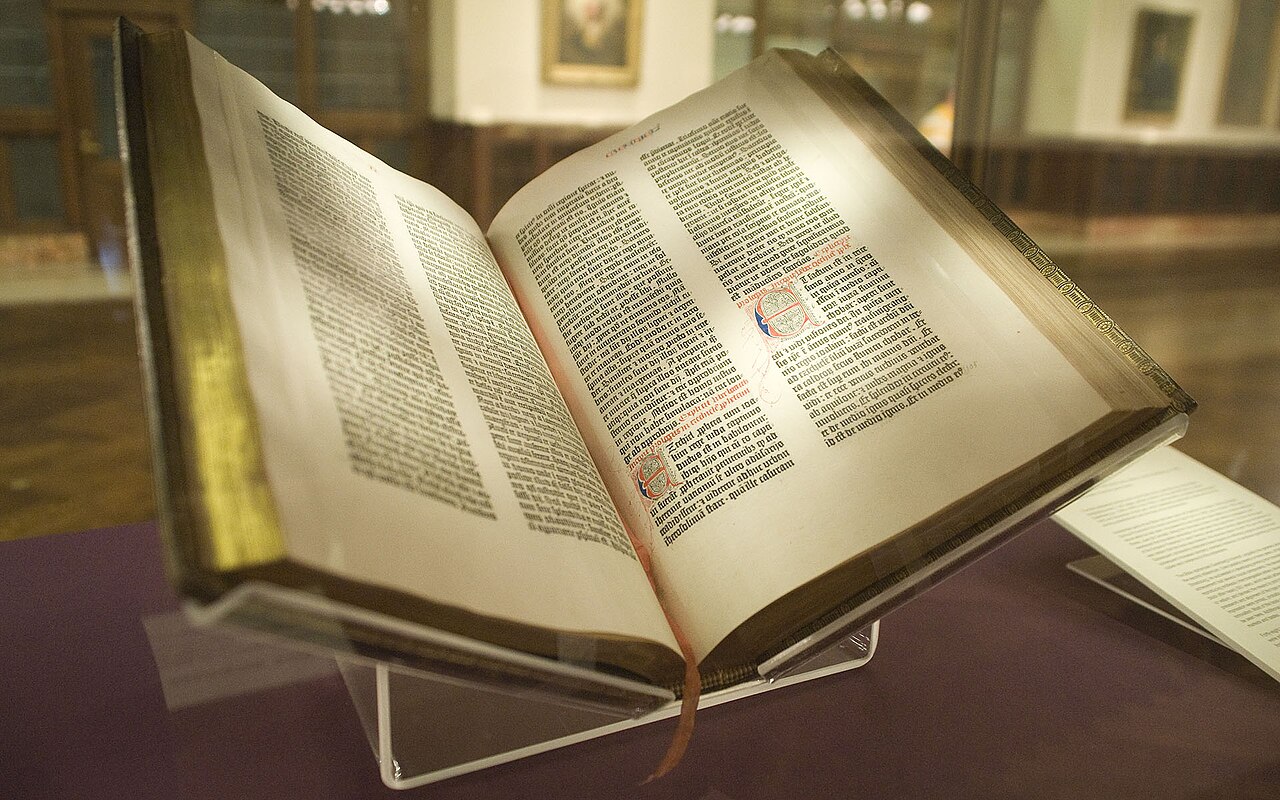
- Choose an ordinary object you already have permission to examine, or use the book photograph here.
- Write three observations, then two questions about its maker, use or history.
- Separate what the object itself shows from what would need another source.
Optional. A fictional object is fine. No family history, private documents or contact with strangers is needed.
Look at the sources.
These references informed this introduction. You can check who published them, what evidence they use and whether you would ask another question.
- Museums VictoriaGather materials
- National Museum of AustraliaHistory outcomes matrix and source analysis guide
Research checked 1 November 2026. External pages have their own content and privacy practices.
Where could this connect?
These are editorial links between subjects. You choose which, if any, to follow.
Archaeology & Objects
Archaeology contributes material evidence to historical questions about people and their activities.
Follow this connection
Communication through Time
Communication technologies are historical systems shaped by their infrastructure, users and purposes.
Follow this connectionEvidence & Archives
Archives preserve records that historians examine as evidence rather than treating them as self-explanatory facts.
Follow this connectionGeography
Historical maps connect evidence about change with the places where it happened.
Follow this connectionPhilosophy
Questions about evidence and justified conclusions also matter when reasoning about the past.
Follow this connectionPlace Histories & Change
A place history investigates change using dated evidence and more than one perspective on the same location.
Follow this connectionStorytelling
An account needs a clear structure while keeping evidence distinct from invented scenes.
Follow this connection