
A little room to wonder
Evolution & Adaptation
Natural selection changes populations across generations when inherited differences affect survival and reproduction in a particular setting.
Why does an evolutionary explanation begin with variation that already exists?
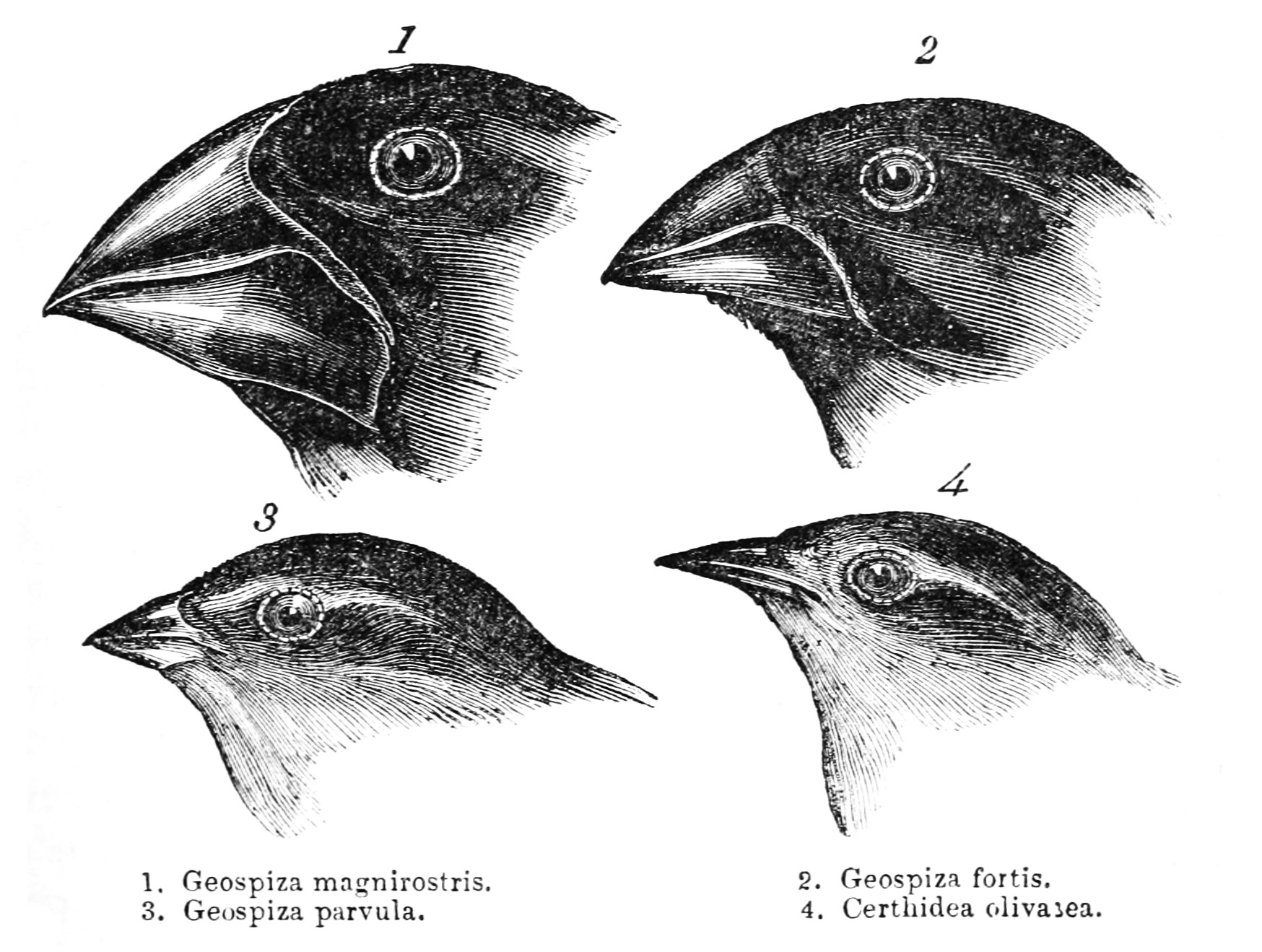
Start with a population, not a wish
Evolution concerns changes in populations across generations. Individuals differ, and some differences can be inherited. In a particular environment, a heritable difference may affect the number of surviving offspring an organism leaves. Over generations, the frequency of that difference can change.
An adaptation is an inherited feature shaped by selection in relation to a setting. It is not a change an animal decides to make because it needs something. Learning, growing and short-term adjustment within a lifetime are different processes from a population’s inherited evolutionary change.
Selection needs a mechanism
A useful explanation identifies the variation, why it affects survival or reproduction, and how it reaches later generations. “The animals adapted” leaves those steps unstated. An advantage in one environment may become a disadvantage when conditions change.
Selection is not the only process in evolution. Chance changes, mutation and movement between populations can matter too. A simple selection model can isolate one mechanism without claiming every real population follows its exact pattern or develops towards a single goal.
Worked example: a fictional beetle model
Start with 10 dark and 10 pale beetles in a model population. Their colour is inherited under an invented simplified rule. On dark ground, an imagined predator removes 2 dark and 8 pale beetles. Eight dark and two pale beetles remain: 8 ÷ 10 = 80% of the survivors are dark, compared with 50% initially.
Now assume each survivor produces two same-colour offspring and the next generation consists of those offspring. It contains 16 dark and 4 pale beetles, again 80% dark. No pale beetle turned dark. The frequency changed because the model gave different survival followed by inherited reproduction. Actual beetle biology, random encounters and reproduction would need more evidence than this toy rule supplies.
Evidence connects the explanation to the world
Scientists compare evidence such as fossils, anatomical relationships and genetic sequences. A similar-looking feature can have different evolutionary histories; appearance alone does not settle ancestry. An explanation should fit several kinds of evidence rather than depend on one convenient story.
Words such as “fittest” refer to reproductive success in a particular context, not physical strength or moral worth. Keep the discussion about biological mechanisms. Use counters or drawings for the model; there is no need to capture organisms or disturb a habitat.
Only if you feel like trying
Reverse the model’s conditions
- Represent the fictional 10 dark and 10 pale beetles with words, drawings or counters.
- On a pale background, invent and state a different survival rule. Count the survivors and apply the same two-offspring assumption.
- Explain which frequency changed and why no individual had to change colour.
Optional. Work on paper, point to the example or talk it through. No account, purchase or public sharing is needed.
Look at the sources.
These references informed this introduction. You can check who published them, what evidence they use and whether you would ask another question.
- OpenStax, Rice UniversityBiology 2e: Understanding Evolution
- Victorian Department of EducationNatural selection
Research checked 1 November 2026. External pages have their own content and privacy practices.
Where could this connect?
These are editorial links between subjects. You choose which, if any, to follow.
Biology
Inherited variation and reproduction connect individual organisms with changes in populations.
Follow this connection
Habitats & Niches
The environmental setting determines which differences may matter to survival and reproduction.
Follow this connectionProbability & Chance
Chance outcomes can alter population frequencies alongside the mechanism isolated in a selection model.
Follow this connection