
A little room to wonder
Mixtures & Separation
Choose a separation idea from a stated difference in properties, then check what the proposed step would actually remove.
Why can the same filter separate one mixture but not another?
A mixture contains distinguishable kinds of substance
In a mixture, more than one substance is present without all of it becoming a single new substance. Its composition can vary. A homogeneous mixture has a uniform composition at the scale being discussed; a heterogeneous mixture has distinguishable regions or components.
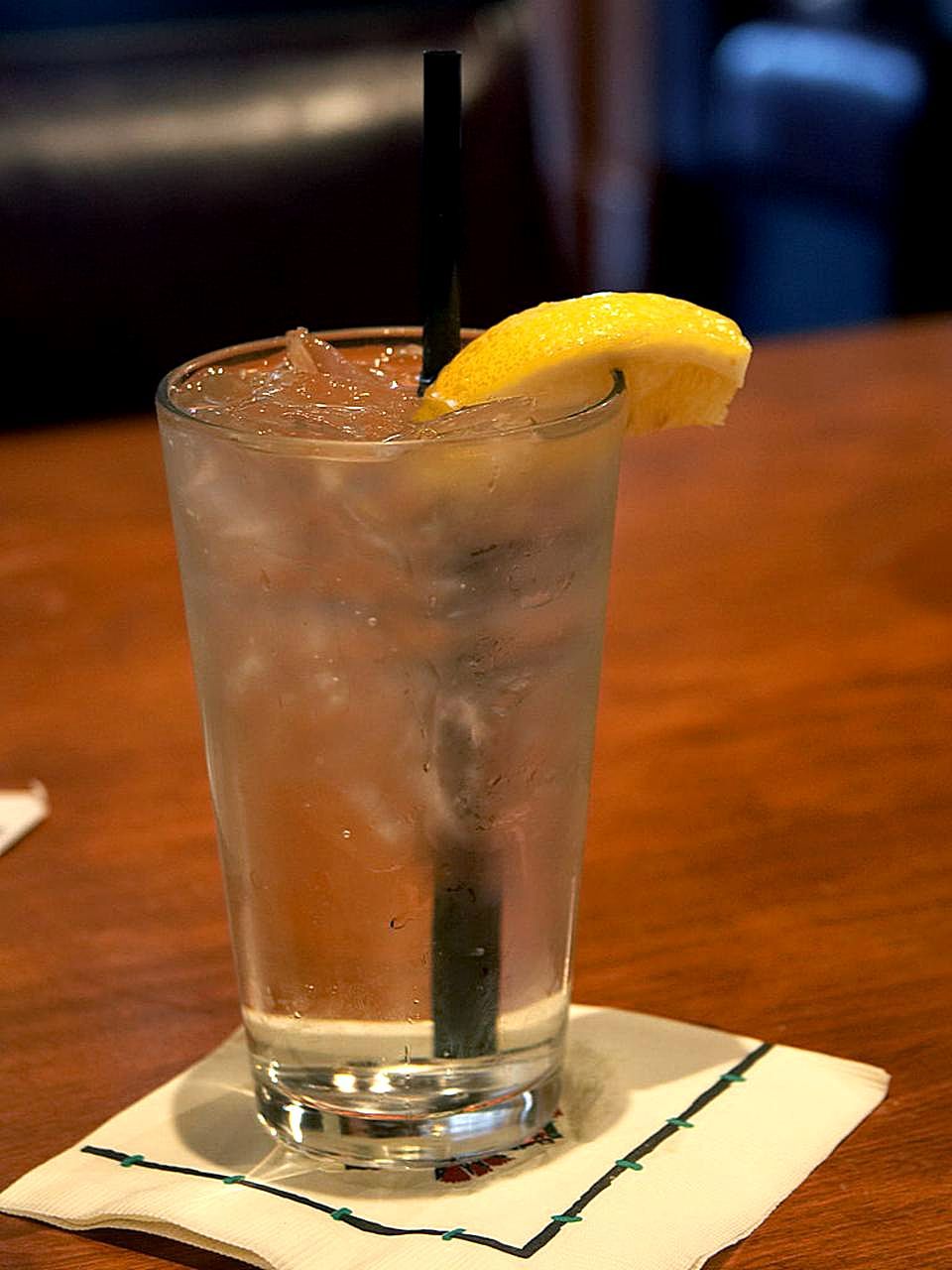
Appearance alone can be misleading. A liquid that looks clear may still contain dissolved material. Conversely, visible pieces in a mixture need not all be different substances: several pieces of the same pure solid do not create a mixture merely because there are many pieces.
A method needs a useful difference
A separation method takes advantage of a difference such as particle size, solubility or another physical property. A sieve can retain pieces larger than its openings while smaller pieces pass through. A suitable filter can retain suspended material, but an ordinary particle filter does not automatically remove dissolved solute.
The question is therefore more precise than “Can I filter it?” Identify what should be retained, what should pass and the scale involved. The article uses imaginary symbol mixtures; it is not a recipe for purifying water or handling unknown materials.
Worked example: trace two fractions
An invented paper mixture contains 12 large squares and 18 small circles. A model sieve rule retains every square and passes every circle. Out of 30 symbols, 12/30 = 40% are retained and 18/30 = 60% pass. The two counts still total 30.
Now imagine six of the circles represent dissolved particles in a separate liquid model. Drawing them large enough to see on paper does not make them large physical particles. You cannot conclude that a real filter with visible holes would retain them; the symbol key changes the interpretation.
Check separation against the original purpose
A useful account names both resulting fractions and checks for losses or incomplete separation. If a model rule accidentally lets one square through, the passed group is no longer all circles. A tidy final pile is not proof that the original rule worked perfectly.
Choosing a method also does not establish that a material is safe, pure or suitable for use. Those are additional questions. A paper sorting model can clarify a principle while leaving real material identification and laboratory procedures outside the activity.
Only if you feel like trying
Audit an imaginary separation
- Draw 12 squares and 18 circles, or simply list the two counts.
- Apply the stated retain/pass rule and calculate each fraction of the starting total.
- Change the rule so one square passes. Explain what has changed about the separated groups without handling any real mixture.
Optional. Use paper or talk through the supplied fictional example. No purchase, personal information, account, public sharing or practical experiment is needed.
Look at the sources.
These references offer further reading on the ideas here. Check who published them, what they support and what you would ask next.
- OpenStax / Rice University1.2 Phases and Classification of Matter
- Science Learning Hub / University of WaikatoSoluble — glossary definition
Research checked 1 November 2026. External pages have their own content and privacy practices.
Where could this connect?
These are editorial links between subjects. You choose which, if any, to follow.
Chemistry
Mixture separation uses material properties to explain which components a process can distinguish.
Follow this connection
Data Tables & Sorting
A sorting rule must state the attribute that decides where each item goes.
Follow this connectionSolutions & Dissolving
Dissolved particles require a different model from visible suspended pieces.
Follow this connection