
A little room to wonder
Photographs & Historical Clues
A photograph records a selected view at a particular moment. Objects within it can narrow a date or suggest questions, while captions, copies and later editing need their own checks.
How could two visible features narrow a photograph’s possible date without identifying a single year?
Begin with what is actually visible
Separate a description from an interpretation. A roof appears striped is a visual observation; the roof was installed in 1930 is a claim requiring another record. A photograph also leaves things outside its frame. Its viewpoint and crop affect the evidence available to a reader.
The Library of Congress distinguishes observing details, testing interpretations and asking further questions. This is a useful enquiry pattern rather than a guarantee of one correct story. Keep the item’s creator, title, date information and collection context connected to the image where those details are known.
Worked example: intersect two fictional ranges
An invented station photograph shows both a clock tower and a striped awning. For this exercise, reliable fictional records state the tower first existed from 1930 onwards and the awning was removed before the start of 1950. If both identifications are sound and the image is an ordinary photograph of the scene, it must fall between the start of 1930 and the end of 1949.
That range does not establish 1940 or any other exact year. A caption saying copied in 1975 could refer to a later reproduction of the original scene. It would not by itself overturn the earlier scene range. If the image were a composite or the visible feature misidentified, the reasoning would need revision.
Corroboration can narrow or challenge a claim
An additional dated image might show when the awning changed colour, but only if its own date and identification are supported. Two captions copied from the same mistaken note are not two independent confirmations. Trace where each claim came from instead of counting repeated wording.
An absence also needs care. Not seeing the tower in a cropped view does not prove it had not been built. A wider photograph, plan or object record might resolve the question. Describe exactly what is excluded or uncertain.
Captions should preserve the difference
A useful caption can state observed features, a supported date range and a remaining question in separate sentences. Avoid presenting a reconstructed story as if every action occurred in front of the camera. A black-and-white image does not automatically have an early date.
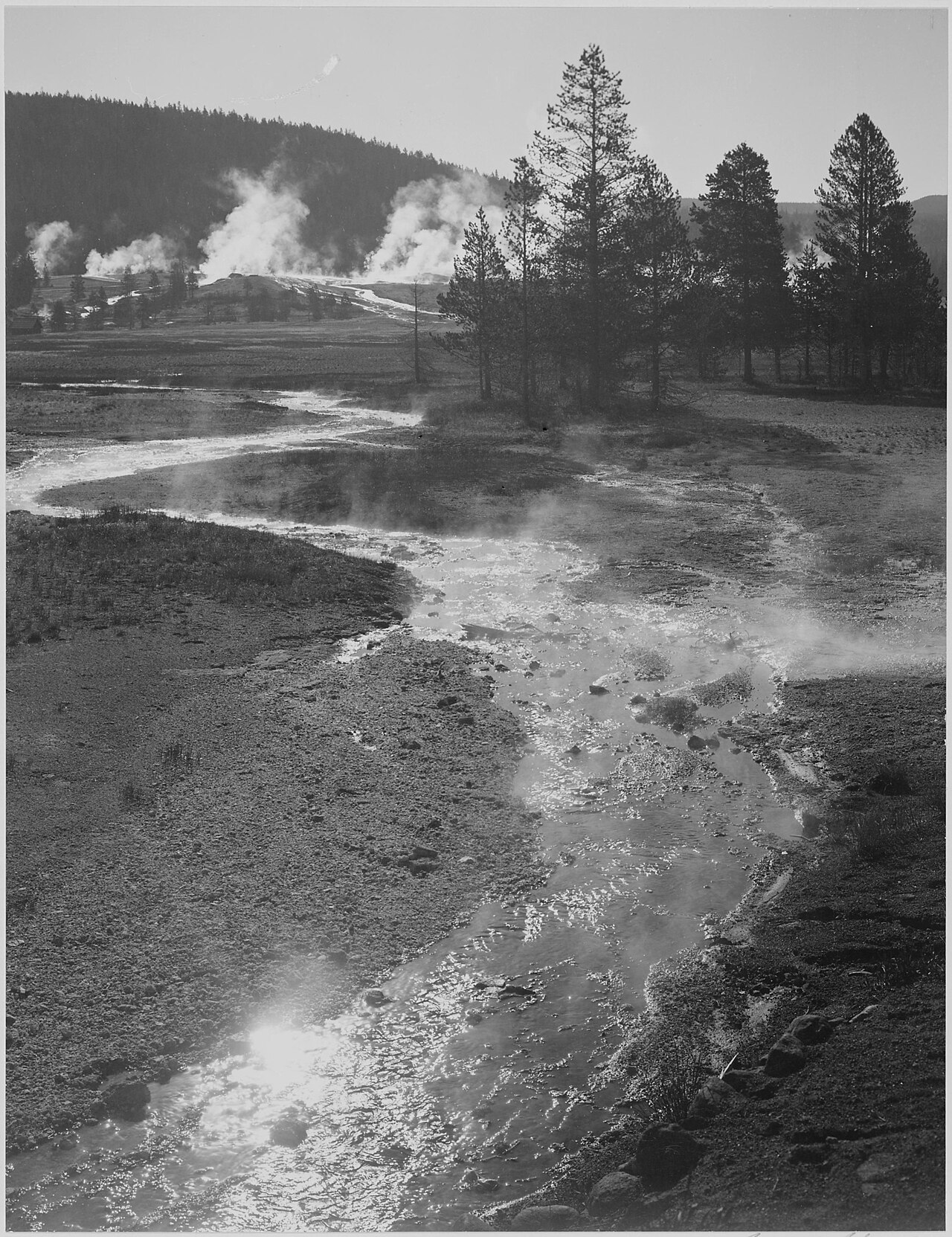
The supplied landscape photograph is a credited historical image, but it contains neither the fictional station nor the date clues used in the example. You can practise all the reasoning with the written records and an invented sketch. No photographing people, sharing images or researching a private location is required.
Only if you feel like trying
Write a cautious historical caption
- Sketch the fictional station with tower and awning. Write the two supplied existence constraints beside it.
- Find the overlap in their dates and explain why copied in 1975 describes a different event.
- Write a three-sentence caption separating visible features, the supported range and one unresolved question.
Optional fictional paper enquiry. No personal photographs, public posting, real-person identification or external contact is required.
Look at the sources.
These references offer further reading on the ideas here. Check who published them, what they support and what you would ask next.
- Library of CongressTeacher’s guide: Analyzing photographs and prints
Research checked 1 November 2026. External pages have their own content and privacy practices.
Where could this connect?
These are editorial links between subjects. You choose which, if any, to follow.
History
History uses photographs as situated evidence; visible details, source records and excluded views need to be considered together.
Follow this connection
Photography & Framing
A frame selects what can and cannot be observed in a photograph.
Follow this connectionTimelines & Sequencing
A range can be placed on a timeline without inventing an exact year.
Follow this connection