
A little room to wonder
Photography & Framing
A photograph is a selected view made at a particular time and position. Framing controls what enters the image and what remains outside it.
How can the same scene support different stories when the frame changes?
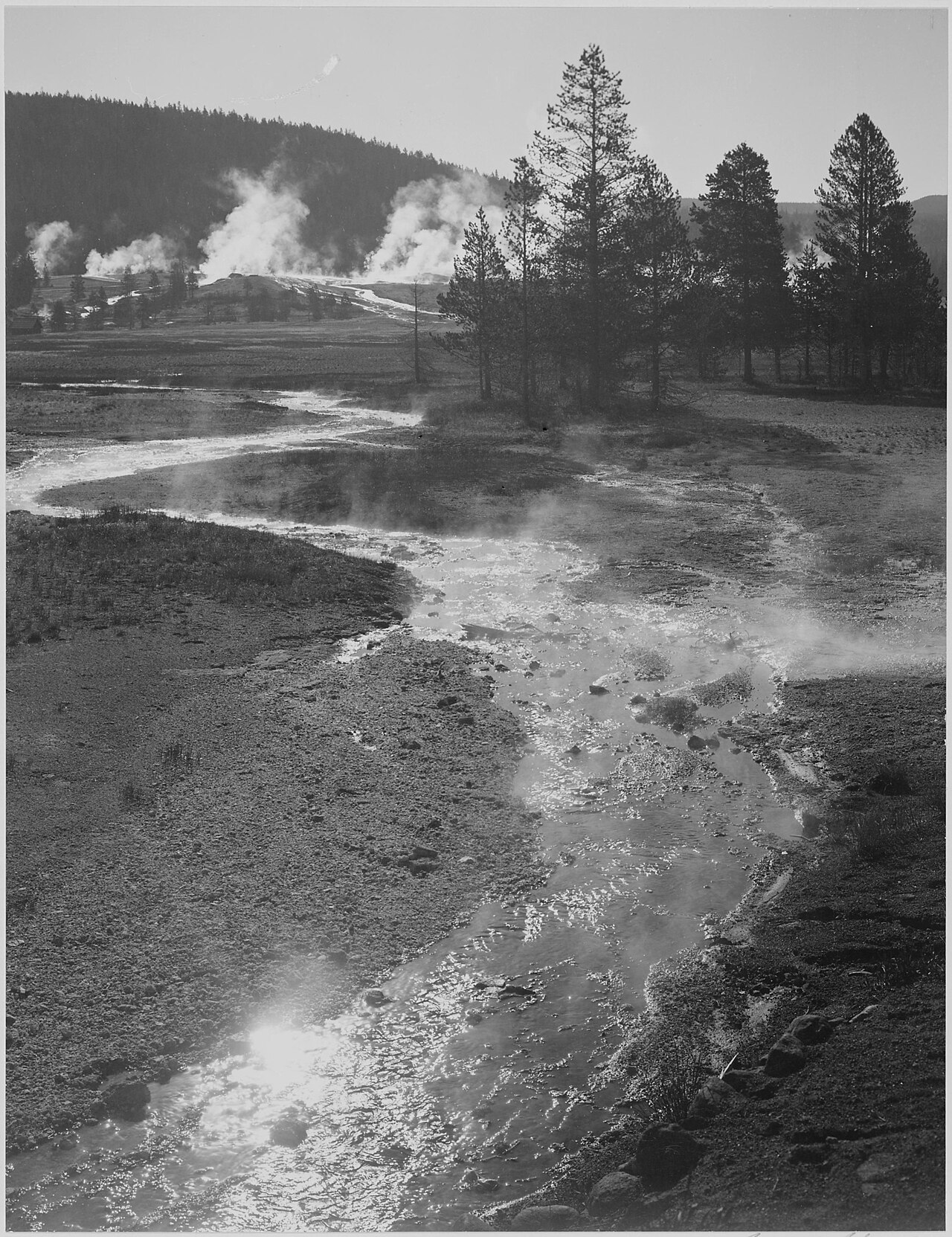
The frame selects evidence
A camera records light from a limited field of view. The photographer chooses a position, direction and moment. A close view may reveal surface detail while hiding the wider setting; a wider view may explain a relationship but make a small detail difficult to notice.
Composition describes the arrangement within the picture. Edges, repeated shapes, areas of light and dark, and empty space can guide attention. These are tools for analysing a choice, rather than rules that every successful photograph must obey.
Position, focus and timing do different jobs
Moving the camera changes the viewpoint and can reveal or conceal relationships. Cropping removes part of an existing image; it cannot recover something that was outside the original frame. Focus affects which details appear sharp, while a moment chosen before or after an event may change what the image suggests.
Before interpreting a photograph, ask what is visibly supported. “The doorway is closed in this frame” does not establish that nobody ever uses it. “These objects are close together in the image” does not always tell you their actual distance apart.
Worked example: the fictional crowded table
Imagine an image containing six paper models on a table. A close crop shows three models touching. A wide crop also includes the unused half of the table and a sign reading “Models waiting for display”. The close crop can support a study of texture or shapes, but it leaves out evidence about the activity.
A caption saying “There was no room anywhere” would go beyond either view. A more accurate caption is “Three models were touching at this end of the table when the photograph was taken”. If the aim is to explain the display process, the wider view is more informative. Neither crop is automatically dishonest; the claim and context determine whether it misleads.
A real image still needs context
Date, location, creator and the history of an image can matter to its interpretation. Editing and cropping should be described when they materially affect a claim. A visually convincing photograph is not a complete account of an event.
For your own practice, use objects or a supplied image. You do not need to photograph people, private documents, house numbers or identifying locations. Permission to take a photograph and permission to publish it are separate questions; a private exercise can stay private.
Only if you feel like trying
Compare two proposed frames
- Use the supplied landscape photograph or arrange a few safe objects. Sketch one close frame and one wide frame; a camera is optional.
- Write a caption for each that describes what it actually shows.
- Name one question that neither frame can answer.
Optional. Work on paper, point to the example or talk it through. No account, purchase or public sharing is needed.
Look at the sources.
These references informed this introduction. You can check who published them, what evidence they use and whether you would ask another question.
- Princeton University Art MuseumFormal Analysis Questions: Photography
- National Gallery of ArtThe Elements of Art: Line
Research checked 1 November 2026. External pages have their own content and privacy practices.
Where could this connect?
These are editorial links between subjects. You choose which, if any, to follow.
Art
Framing, tone and arrangement turn a selected view into a visual composition.
Follow this connection
Evidence & Archives
A photograph’s origin and context influence what historical claims it can support.
Follow this connectionStoryboards & Shots
Changing a shot changes what a viewer knows and what remains outside the scene.
Follow this connection