
A little room to wonder
Storyboards & Shots
Choose what a frame reveals, then connect frames into a plan another person could follow.
What does the audience need to see at this moment?
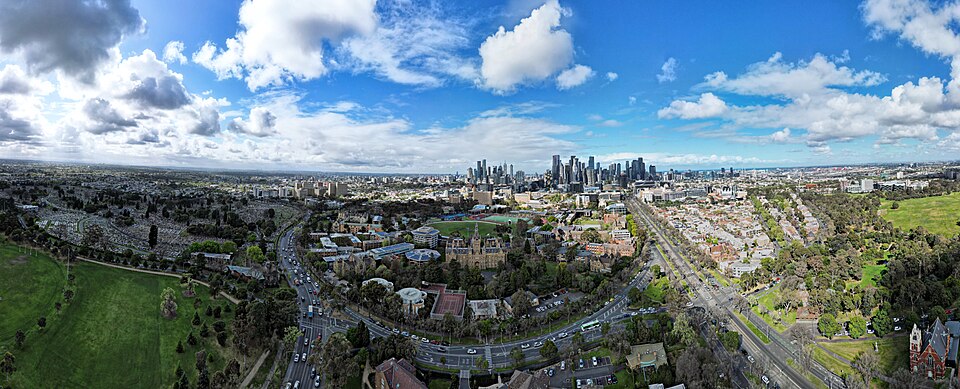
A shot selects information
A shot is a continuous view between cuts. Its framing determines which parts of the scene the audience can see. A wide shot can establish a setting and the positions of objects. A close-up can reveal a small detail. Those choices do not guarantee a particular emotion; they provide information that works with the surrounding sequence.
Shot size describes the framing of the subject, not the physical size of the screen. A tiny object can fill a close-up. Camera angle and shot size are separate choices: you can look down on either a wide scene or a close detail.
Plan the change between views
A storyboard is a sequence of panels showing intended shots, with notes about action or sound. It is a communication tool rather than a drawing competition. A labelled rectangle and an arrow can explain a movement more clearly than a polished picture with no indication of what changes.
A shot list records the views required. A storyboard adds a visual relationship between them. Numbering the panels helps distinguish the order in the story from any different order you might use to make the images.
Work through a fictional scene
A small robot must find a key in a workshop. Panel 1 is a wide view showing the robot, a cupboard and a table. Panel 2 is a close-up of a key-shaped outline on a label. Panel 3 shows the robot looking towards the cupboard. The first panel gives geography; the second makes a clue readable; the third connects the clue to an action.
If you remove panel 1, the audience may understand the clue but not where the cupboard is. If you remove panel 2, the glance may have no clear cause. Compare what each version communicates rather than assuming more shots automatically make the scene clearer.
Leave room for revision
Mark the information each panel contributes, including anything intentionally withheld. A storyboard cannot prove that a finished performance, soundtrack or timing will work. It can reveal missing information early. Revise one view, explain the change and keep the fictional situation small enough to inspect.
Only if you feel like trying
Plan a three-view clue
- Invent a character finding an ordinary object; use no personal location.
- Draw a wide view, a detail and a response, with one action note under each.
- Cover one panel and explain what the remaining sequence no longer establishes.
Optional paper storyboard. Stick figures are enough; no filming, software, actors or public sharing is needed.
Look at the sources.
These references informed this introduction. You can check who published them, what evidence they use and whether you would ask another question.
- ACMIStoryboards
- ACMIExploring shot types
Research checked 1 November 2026. External pages have their own content and privacy practices.
Where could this connect?
These are editorial links between subjects. You choose which, if any, to follow.
Film & Animation
Shot planning connects the story idea to the moving-image sequence.
Follow this connection
Photography & Framing
A frame includes some information while leaving other information outside it.
Follow this connectionPoint of View & Voice
Choosing what the audience sees controls access to a character’s knowledge.
Follow this connection