
A little room to wonder
Film & Animation
Film and animation arrange images and sound over time. Choices about framing, sequence and timing influence what an audience notices and understands.
How can the same images tell a different story when their order or timing changes?
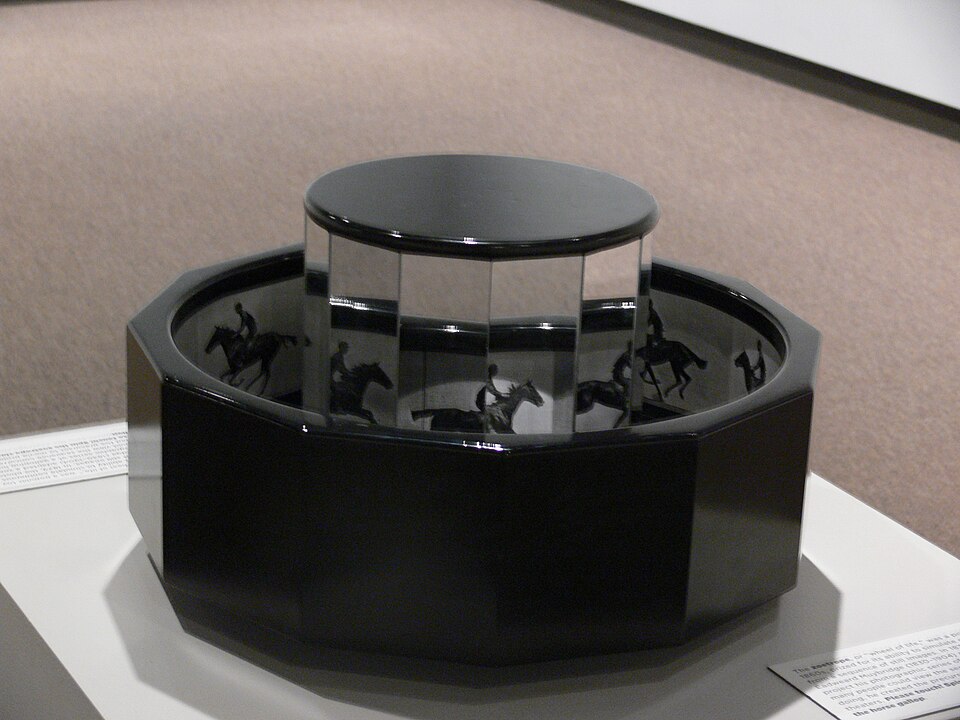
A frame is one image
Animation creates apparent movement from a sequence of still images. In stop motion, an object changes position a little between photographs. Frame rate describes how many images are shown each second. At 12 frames per second, 24 frames last two seconds; changing the rate changes how long the same sequence takes.
Choose what the frame reveals
A wide view can establish a place; a close view can draw attention to a detail. Framing also leaves things out. Before making a sequence, sketch what the viewer needs to see. You can tell a complete small story with objects or drawings without filming people, showing your home or recording a personal experience.
Timing and sound shape meaning
A pause can let an audience register an action before the next event. A change in sound can make the same image seem playful or tense. Test one choice at a time so you can explain the effect. Use your own sound or material with verified permission, and keep sharing optional.
Only if you feel like trying
Storyboard a tiny surprise
- Draw four boxes: an object arrives, meets an obstacle, tries something, and changes the situation.
- Retell the sequence by pointing to the boxes, holding one frame longer.
- Reverse two boxes and describe how the meaning changes. No camera is needed.
Optional. Use paper or talk through the idea; no account, purchase or public sharing is needed.
Look at the sources.
These references informed this introduction. You can check who published them, what evidence they use and whether you would ask another question.
- ACMIMake a stop motion animation
- Australian Film Television and Radio SchoolStop Motion
Research checked 1 November 2026. External pages have their own content and privacy practices.
Where could this connect?
These are editorial links between subjects. You choose which, if any, to follow.
Animation & Timing
Animation makes changes across frames, so timing is part of how movement and meaning are constructed.
Follow this connection
Art
Composition, line and colour guide attention within each frame.
Follow this connectionEditing & Continuity
Editing chooses the order and duration of shots, shaping how a film’s events connect.
Follow this connectionMusic
Rhythm, silence and sound can change the pace or mood of a moving-image sequence.
Follow this connectionSound for Screen
Screen storytelling combines audible and visible information, including deliberate silence.
Follow this connectionStoryboards & Shots
A storyboard plans the visual decisions that turn an idea into a film or animation.
Follow this connectionStorytelling
Sequence, viewpoint and withheld information help shape what an audience understands.
Follow this connection