
A little room to wonder
Sport & Movement
Investigate movement, decisions and rules, with room for different ways to participate.
How could one rule change who gets to take part?
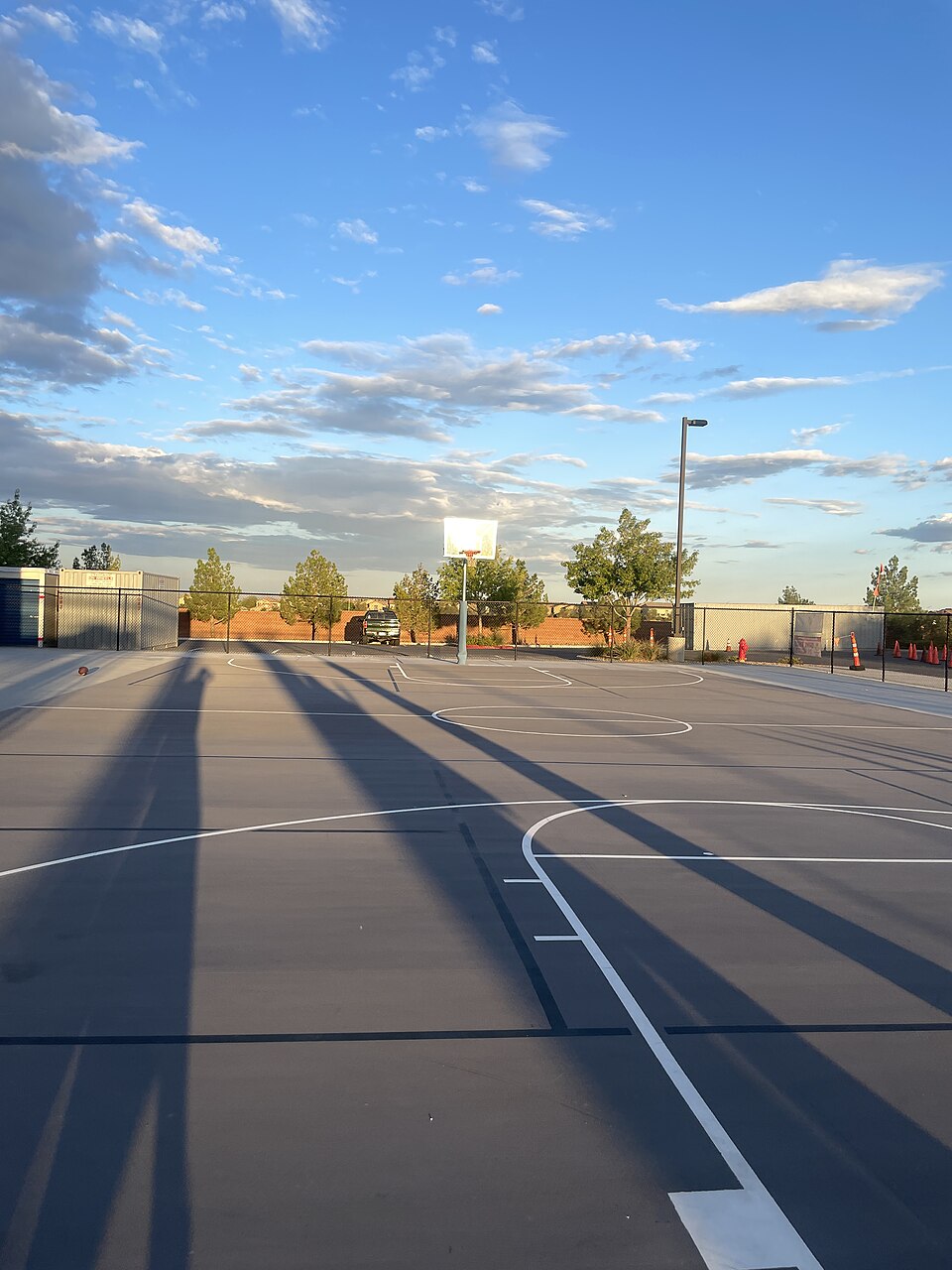
Movement is a collection of skills
Movement involves interacting skills such as balance, coordination, controlling objects and moving through a space. The Australian Sports Commission’s physical literacy framework treats these as areas people can explore and develop, rather than one score that defines a person.
A movement task also involves perception and choice: noticing a target, judging space and selecting an action. Watching or diagramming those decisions can reveal a great deal, even when you do not perform the movement yourself.
Practise a question
Useful practice has something specific to notice. In a fictional target game, you might compare whether a larger target makes the task more approachable. Keep other rules the same so you can explain what the change was intended to do.
A few attempts cannot establish someone’s fixed ability. Familiarity, equipment, space and the design of a task can affect what happens. Describe an observation precisely instead of turning a result into a label for a person.
Design for participation
Rules create the challenge. Changing target size, scoring, distance or the way an object is moved can change that challenge. Different options may let players pursue a shared aim in different ways.
Imagine a tabletop game in which a paper counter must reach a drawn circle. A player might slide the counter, direct another person or choose a destination on a diagram. Discuss the options with the people involved rather than assuming what they need or want.
Only if you feel like trying
Redesign a game on paper
- Draw a fictional target game with a start area and a goal.
- Write its aim and two rules. Add a version that can be explored without physical movement.
- Change one rule and explain whose choices or opportunities might change.
Optional paper design; physical activity is not required. If you choose to try a familiar activity, use a suitable clear space and your usual support arrangements, and stop if uncomfortable.
Look at the sources.
These references informed this introduction. You can check who published them, what evidence they use and whether you would ask another question.
- Australian Sports CommissionMovement skills
- Australian Sports CommissionPhysical literacy: Physical domain
Research checked 1 November 2026. External pages have their own content and privacy practices.
Where could this connect?
These are editorial links between subjects. You choose which, if any, to follow.
Balance & Coordination
Sport & Movement introduces many ways of participating; this topic separates stability from the organisation of actions.
Follow this connection
Design
Changing equipment or rules is a design choice that can alter participation.
Follow this connectionGames
Both tabletop and movement games combine goals, rules, feedback and decisions.
Follow this connectionInclusive Sport Design
Sport & Movement introduces varied participation; inclusive design examines the barriers created by a particular task.
Follow this connectionPhysics
Forces, balance and changing direction help explain the motion described in a game.
Follow this connectionPractice & Skill Learning
Sport & Movement offers a broad context; practice design asks how a chosen skill question could be investigated.
Follow this connectionTeamwork & Fair Play
Sport & Movement includes social choices; teamwork and fair play focus on shared information and fair decision processes.
Follow this connection