
A little room to wonder
Titles & Credits
Titles introduce a screen work; credits identify contributions and source material. Their design must allow enough reading time and preserve accurate attribution.
How can a short title card communicate clearly without crowding the screen?
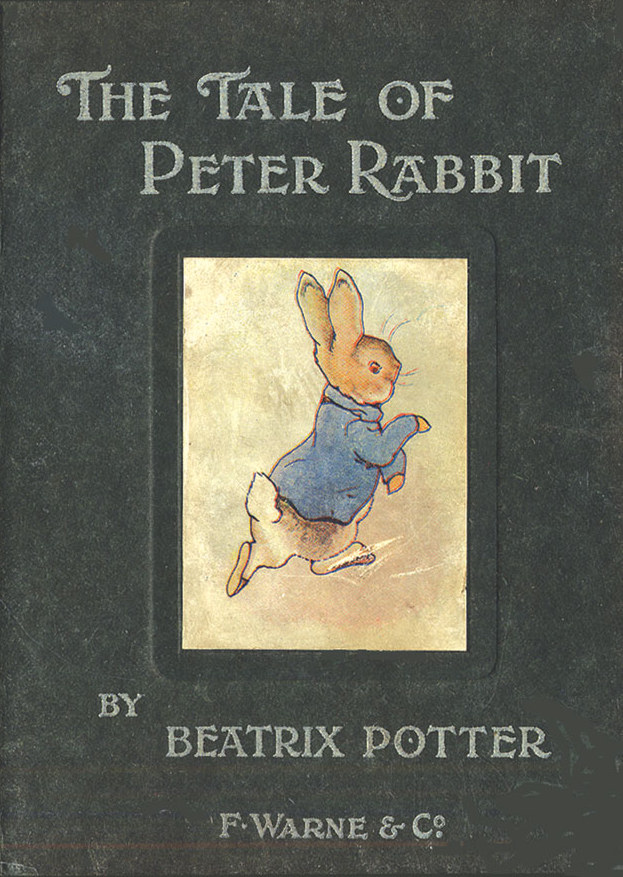
Give different text different jobs
An opening title names or introduces a work. A caption can identify a place or add contextual information. End credits record contributions such as writing, images, sound or editing. These functions can share a style while remaining distinguishable.
A reader should not have to guess whether a large name is the title, a character or a contributor. Position, wording and hierarchy can clarify the relationship without decorative effects.
Plan time as well as space
Screen text must be read during a limited interval. A long paragraph on a brief card may be technically present but practically unreadable. A paper plan can divide information into cards and allocate deliberate reading time.
There is no single reading speed that suits every viewer. Reduce unnecessary wording, keep contrast clear and avoid placing essential text over a busy moving image. A timing estimate is something to check, not a guarantee.
Worked example: fictional credits for one maker
A fictional animation uses original drawings and sound made by a character called Kai. Its opening card reads “The Wandering Square”. Its ending reads “Story, drawings and sound: Kai”. The role labels distinguish the title from the contribution.
Suppose a licensed photograph is added. “Thanks to the internet” does not identify its creator or licence. A separate source credit should record the actual creator, work and required licence information. No real borrowed photograph is needed for the activity.
A credit is not permission
Naming a creator does not automatically authorise using their work. Source rights and acknowledgement are separate questions. Keep a record of permission or a suitable licence before a real publication decision.
Use fictional names and original geometric sketches in this exercise. Do not include personal contact details or claim an organisation produced, funded or endorsed a work merely because it appears in a source list.
Only if you feel like trying
Plan two readable screen cards.
- Plan one opening card and one end card for the fictional animation using the supplied title and role information.
- Divide a crowded imaginary source credit into clearly labelled parts: creator, work and licence.
- Explain what information must be verified before replacing that placeholder with a real source credit.
Optional. Use the supplied fictional example, pencil and paper, or explain your choices aloud. No personal story, account, purchase, public sharing or contact is needed.
Look at the sources.
These references offer further reading on the ideas here. Check who published them, what they support and what you would ask next.
- Australian Children’s Television FoundationPost-Production
Research checked 1 November 2026. External pages have their own content and privacy practices.
Where could this connect?
These are editorial links between subjects. You choose which, if any, to follow.
Film & Animation
Titles and credits form part of the screen sequence and its communication.
Follow this connection
Revision & Editing
An editorial pass checks names, roles and source information as well as spelling.
Follow this connectionTypography & Layout
Readable hierarchy, spacing and contrast help separate a title from contributor details.
Follow this connection