
A little room to wonder
Species Records & Field Notes
A species record links an observation or specimen with information about what was identified, when and where. Keeping uncertainty and record identity visible prevents a copied entry becoming extra evidence.
How can four rows contain fewer than four independent observations?
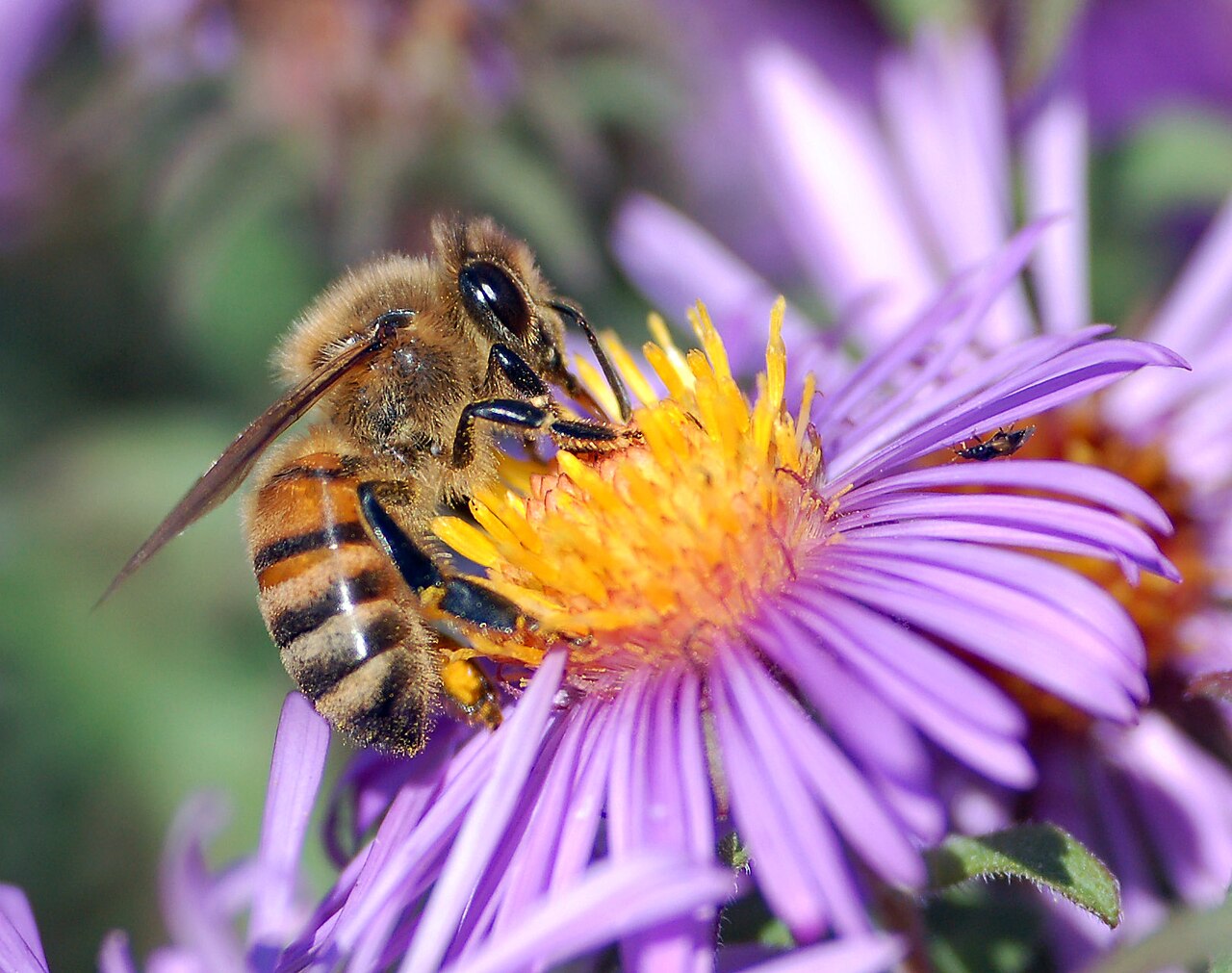
A record needs context
An observation becomes more useful when its date, mapped place, method and identification basis stay with it. A species name without these details cannot answer every question. An identification may be tentative, and a count may not have been made even when an organism was noticed.
Biodiversity databases bring together records from many sources. The Atlas of Living Australia explains that automatic checks cannot identify every error and that original data providers remain important. A record appearing in a large collection is a starting point for checking, not a guarantee that every field is correct.
Worked example: separate copies from observations
Consider four invented paper records. R1 says Plant A, grid B2, 1 April, three individuals, identification confirmed for the example. R2 repeats R1 with the same original observation identifier. R3 says Plant A?, B2, 8 April, four individuals, identification uncertain. R4 says Plant A, B3, 8 April, count not recorded, identification confirmed.
R2 is a copy of the R1 observation, so these rows describe three distinct observation events, not four. Two events have confirmed Plant A labels; R3 remains uncertain. Only R1 supplies a confirmed individual count. Treating the blank in R4 as zero or adding the uncertain four would manufacture a different dataset.
Correct visibly rather than erase the trail
If a label is revised, keep the original record identifier, the correction and its reason connected. Otherwise an apparent change in distribution may be an editing change. A date of upload is also not necessarily the date of the observation.
Confidence is not a substitute for evidence. Useful notes say what supports the identification and what cannot be seen. An unresolved label can remain broader, such as Plant A-like form in this invented exercise, instead of being forced into a specific species name.
Useful notes do not need private details
A paper practice record can use an invented grid, fictional date and made-up plant label. It does not need an observer’s real name, a home address or an exact wildlife location. The purpose here is to reason about data quality, not to submit records to an online service.
A tidy record helps another reader see the limits of a conclusion. Three different events can still be too few to establish a population trend. Before comparing totals, check duplicates, missing fields, changes in method and the confidence of each identification.
Only if you feel like trying
Clean a fictional record set
- Write R1 to R4 from the supplied example. Draw a link between rows that refer to the same original observation.
- Mark identification confidence and missing counts separately. State how many distinct events and confirmed labels remain.
- Write a short correction note for R3 if its identification later changes to Plant B. Keep the earlier label and reason for revision visible.
Optional paper data practice. Do not upload records, identify real locations, contact an observer or collect organisms for this activity.
Look at the sources.
These references offer further reading on the ideas here. Check who published them, what they support and what you would ask next.
- Atlas of Living AustraliaFlagging an issue with a record
Research checked 1 November 2026. External pages have their own content and privacy practices.
Where could this connect?
These are editorial links between subjects. You choose which, if any, to follow.
Animal Classification & Diversity
An identification should remain no more specific than its supporting features allow.
Follow this connection
Ecology
Ecology relies on observations that retain their identification, time, place and method; a tidy label alone is not enough.
Follow this connectionEvidence & Archives
Record identity and a visible correction history help preserve the context of evidence.
Follow this connection