
A little room to wonder
Engineering
Engineering applies scientific and mathematical understanding to practical problems. Useful solutions must work within constraints and be tested against a defined purpose.
How would I know whether a design meets its purpose rather than just looking convincing?
Define the need and the limits
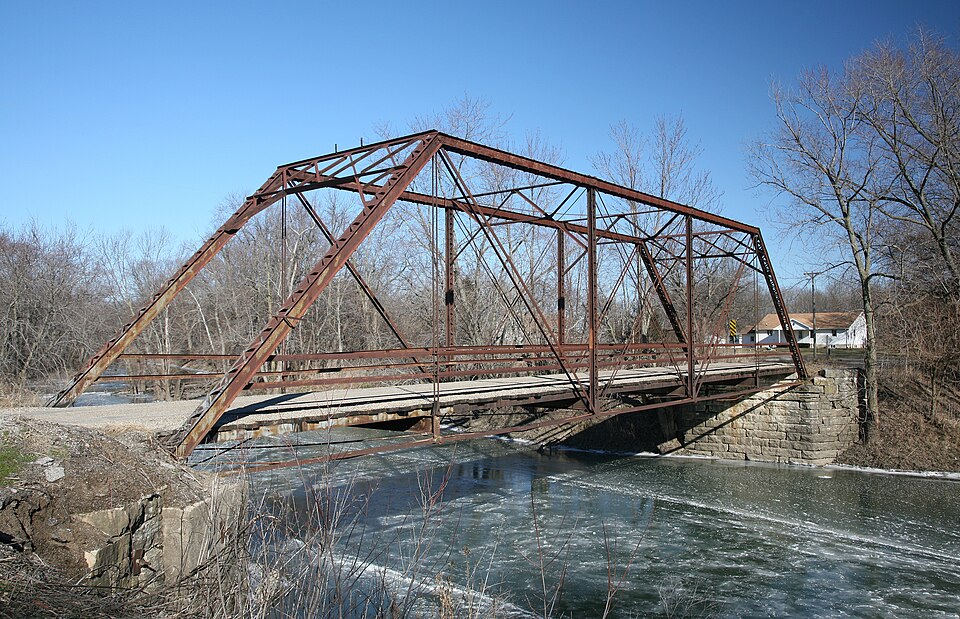
An engineering brief says what a solution must do and which limits it must respect. For a bridge, questions include the span, the loads, materials and surroundings. Cost, access, maintenance and safety can pull a design in different directions. There may be several workable responses rather than one perfect answer.
Make an idea testable
A prototype makes part of an idea available for testing. Choose a clear question and a measurable observation: for example, whether a paper shape spans a fixed gap without support in the middle. A neat-looking model is not evidence that it works. The test must match the question you want it to answer.
Use results to revise
Engineering design is iterative: findings can send you back to change a detail or rethink the brief. Record the setup and the change so comparisons are meaningful. A small model has limits; its result cannot certify a full-size structure. Real construction needs appropriate expertise, standards and review beyond this activity.
Only if you feel like trying
A tabletop paper span
- Place two books on a stable table with a small gap. Use a drawing instead if you prefer.
- Lay one sheet of scrap paper across the gap. Record whether it spans the gap under its own weight.
- Fold the same sheet lengthways, try the same gap and describe one difference.
Optional small tabletop model with ordinary paper only. Do not stand on it, add heavy loads, build at height or treat the result as construction advice.
Look at the sources.
These references informed this introduction. You can check who published them, what evidence they use and whether you would ask another question.
- TeachEngineering, University of Colorado BoulderEngineering Design Process
Research checked 1 November 2026. External pages have their own content and privacy practices.
Where could this connect?
These are editorial links between subjects. You choose which, if any, to follow.
Design
A technically possible solution still needs to suit the people and situation it is intended for.
Follow this connection
Electrical Circuits
Electrical engineering connects components into systems whose behaviour can be modelled and checked.
Follow this connectionMathematics
Measurements and comparisons make a test more informative than “it seems better”.
Follow this connectionMechanisms & Simple Machines
Mechanisms are engineered arrangements that transfer or change motion and force.
Follow this connectionPhysics
Forces, motion and energy help explain what a structure or mechanism does.
Follow this connectionRenewable Energy Systems
Renewable energy engineering joins generation, storage, demand and control into a working system.
Follow this connectionStructures & Bridges
A bridge makes engineering’s relationship between purpose, materials, forces and testing visible.
Follow this connection