
Make a first version
Pick a game, object or story. What is the smallest version I could make?
Your interests, put into action
Make a small thing. Test an idea. Follow a question somewhere new.
Choose what catches your attention. Every activity has a first step, a worked example and another way to take part. You can change it, pause or leave it there.
Choose an activity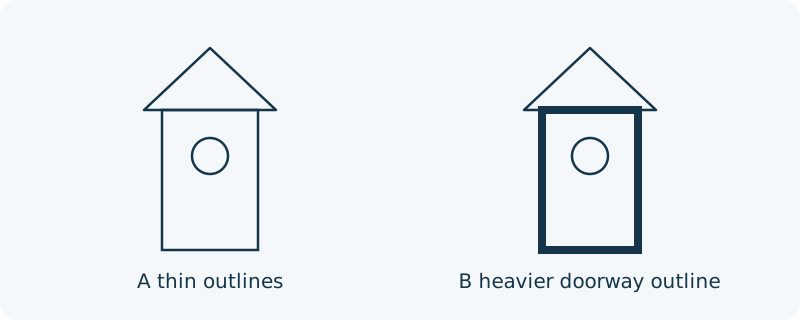
A small beginning is enough
60 complete activities
60 activities. Search runs only when you choose Search.
Art · Make
Draw an imaginary scene twice, change one visual choice and separate what you can see from what you interpret.
10–20 minutes, or one small sketchTry this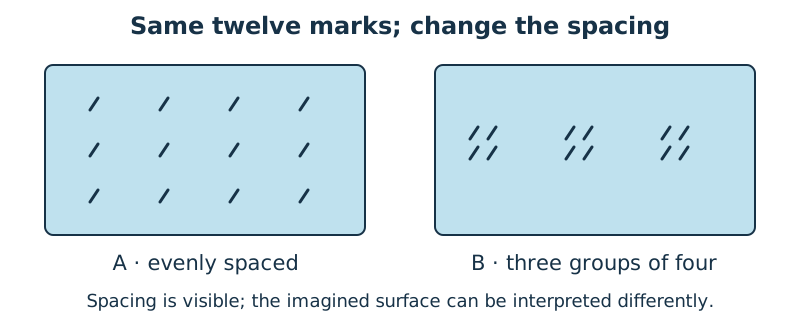
Art · Make
Use repeated lines to suggest a surface, then show what changed in the arrangement.
10–20 minutes, or one comparisonTry this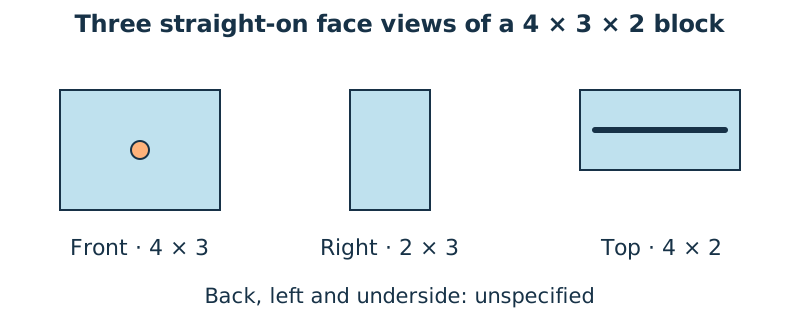
Art · Explore
Compare three straight-on views of an invented block and distinguish a hidden face from a missing feature.
15–25 minutes, or two viewsTry this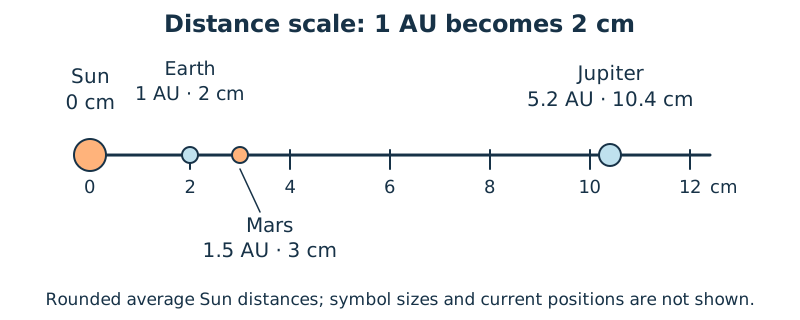
Astronomy · Make
Use rounded orbital-distance values to make a labelled scale line, and show which parts are not to scale.
15–25 minutes, or one calculationTry this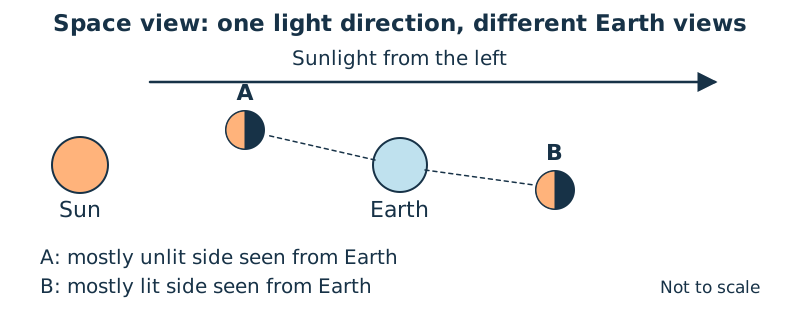
Astronomy · Explore
Read a space-view model to explain how our view of reflected sunlight changes as the Moon moves.
10–20 minutes, or one explanationTry this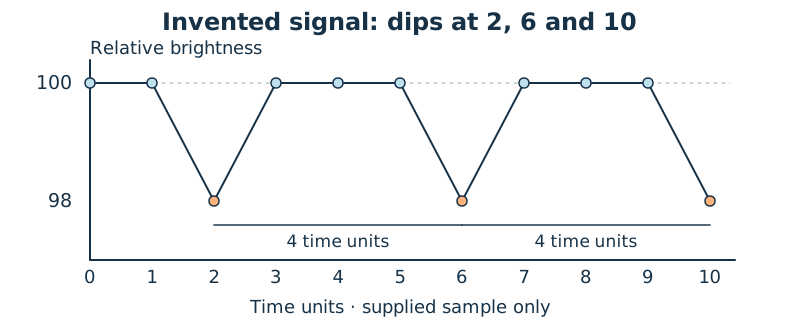
Astronomy · Investigate
Read a complete invented brightness series, identify a recurring gap and distinguish a pattern from a confirmed planet.
15–25 minutes, or three data pointsTry this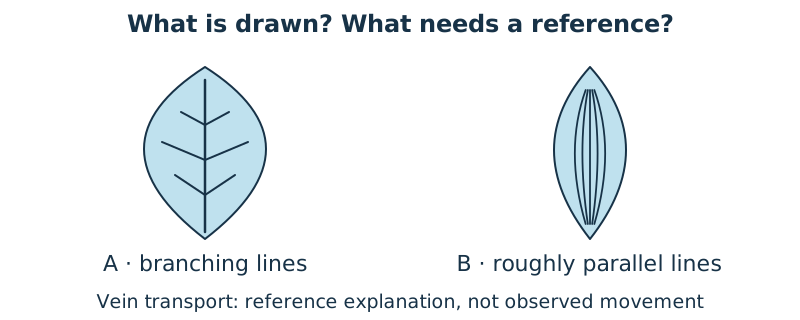
Biology · Explore
Compare two original leaf diagrams and distinguish visible lines from a biological function explained by a reference.
10–20 minutes, or one pairTry this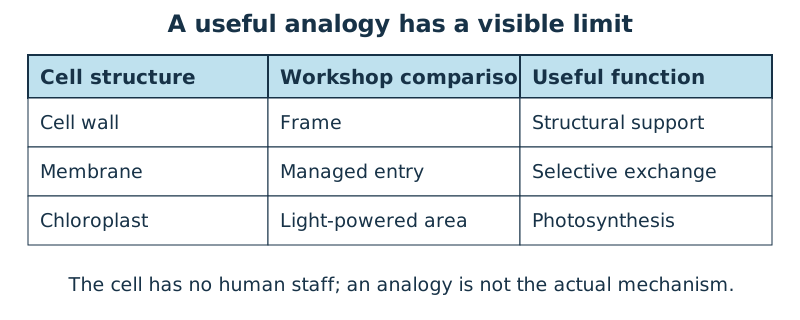
Biology · Explore
Use a workshop analogy to explain selected plant-cell structures, then mark where the comparison fails.
15–25 minutes, or one comparisonTry this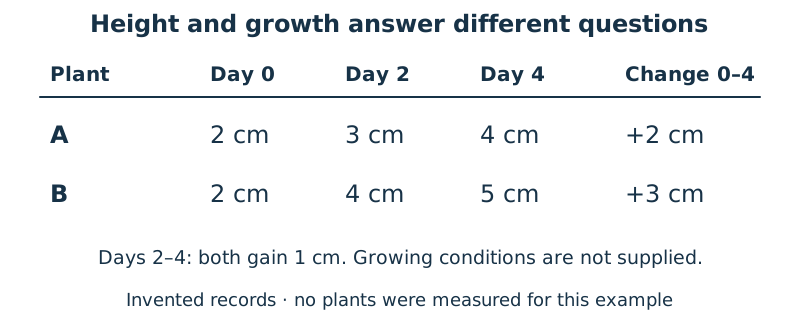
Biology · Investigate
Read two complete invented plant-height logs and separate a measured change in the example from an explanation of its cause.
15–25 minutes, or two differencesTry this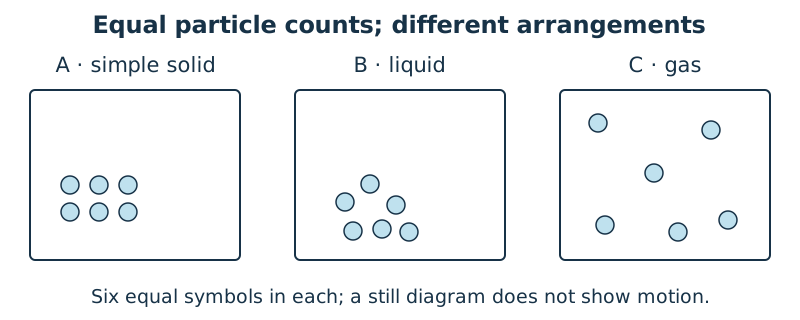
Chemistry · Explore
Use equal-count dot pictures to discuss arrangement and motion in three simple states-of-matter models.
10–20 minutes, or one model comparisonTry this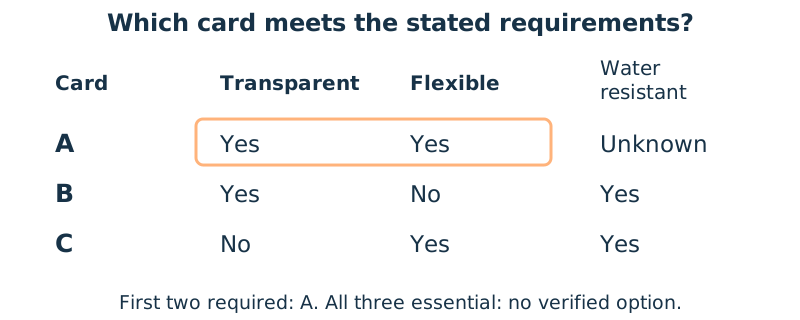
Chemistry · Investigate
Select a fictional material against a clear design brief, then see what changes when an unknown becomes an essential requirement.
15–25 minutes, or one decisionTry this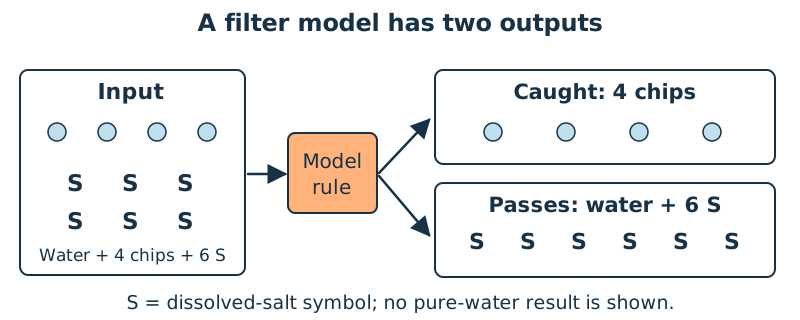
Chemistry · Investigate
Trace a paper filter model and explain why removing visible solids would not remove a dissolved substance.
10–20 minutes, or one traceTry this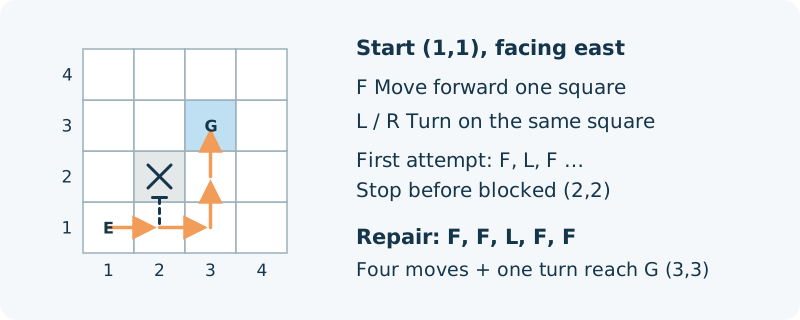
Computing · Investigate
Give a paper robot a starting direction, trace its commands and repair one route. No coding software is needed.
15–25 minutes, or one traceTry this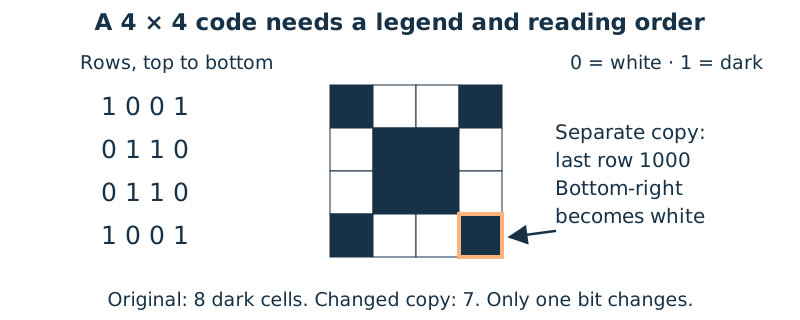
Computing · Make
Decode an original four-by-four bitmap with a complete legend, then check how one changed bit alters the picture.
15–25 minutes, or one rowTry this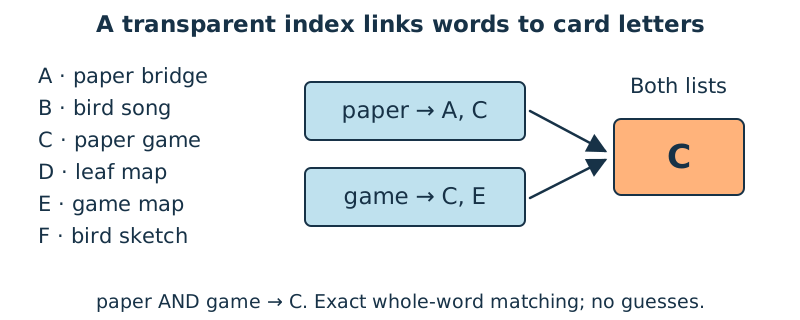
Computing · Make
Build a small keyword-to-card index, combine exact matches and explain what a missing word does and does not mean.
15–25 minutes, or one queryTry this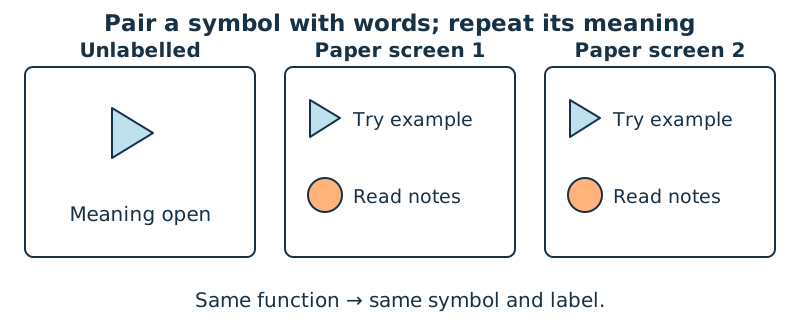
Design · Make
Give an original symbol one clear function, pair it with words and use the same meaning consistently.
10–20 minutes, or one labelTry this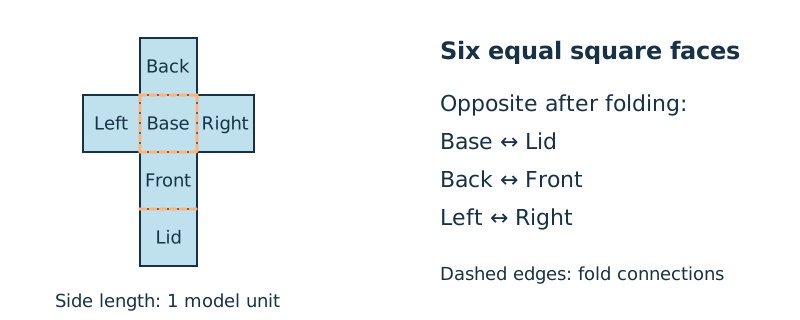
Design · Make
Read a complete six-face cube net, identify neighbours and explain what a drawing leaves out of a real package.
15–25 minutes, or one face pairTry this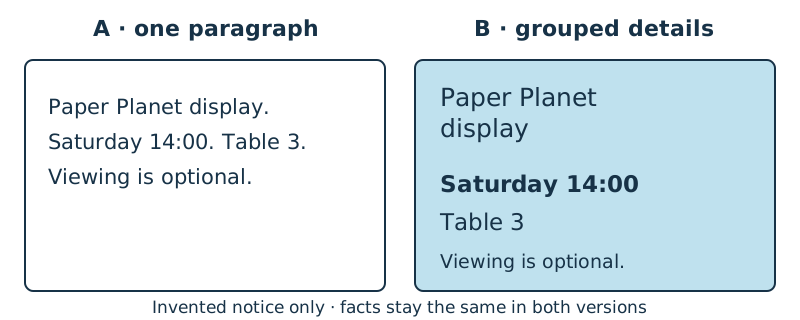
Design · Make
Reorganise an invented poster so its title, time and place are easier to locate without changing the facts.
10–20 minutes, or one layout changeTry this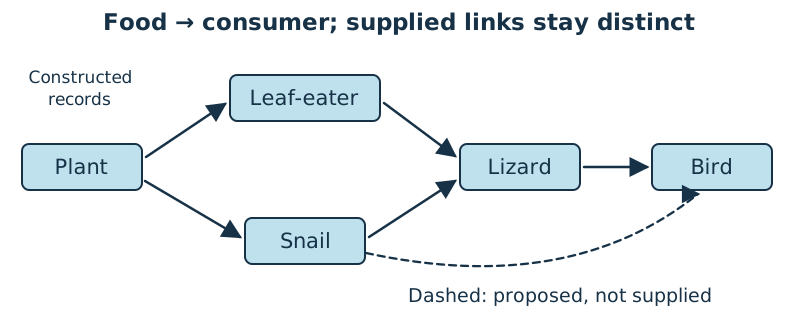
Ecology · Make
Build a food-web diagram from supplied fictional feeding records and keep a proposed link different from a reported one.
15–25 minutes, or one chainTry this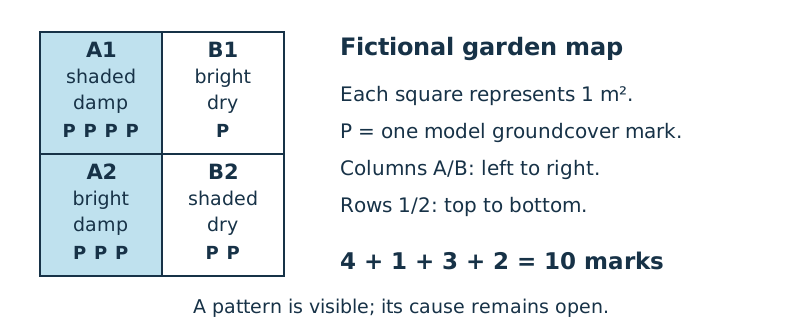
Ecology · Investigate
Read a complete fictional map with equal sampling squares, then separate a pattern in the record from its cause.
15–25 minutes, or two squaresTry this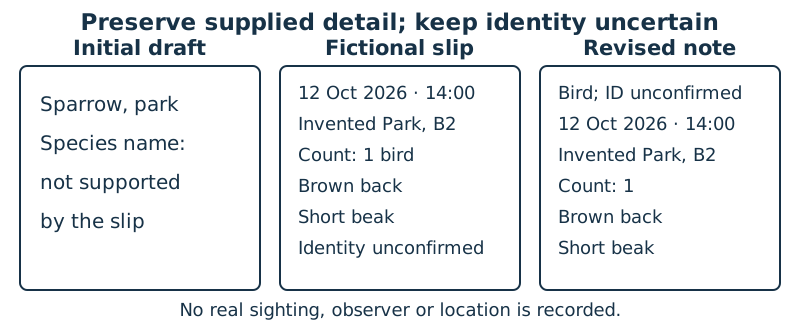
Ecology · Investigate
Improve a fictional sighting note using only a supplied field slip, retaining an uncertain identity rather than inventing detail.
10–20 minutes, or one correctionTry this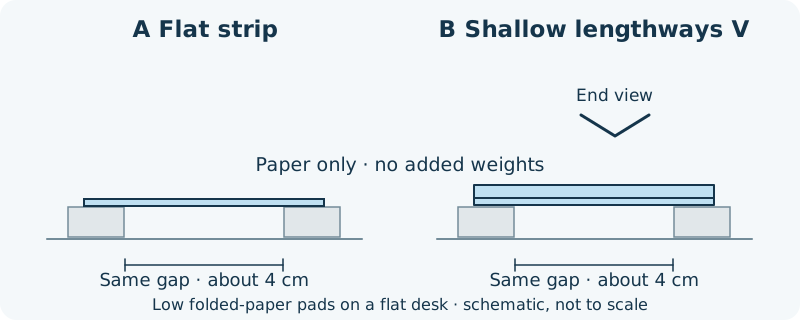
Engineering · Make
Sketch or compare a flat paper strip and the same strip with a shallow fold. Define a small observation before drawing a conclusion.
15–25 minutes, or two labelled sketchesTry this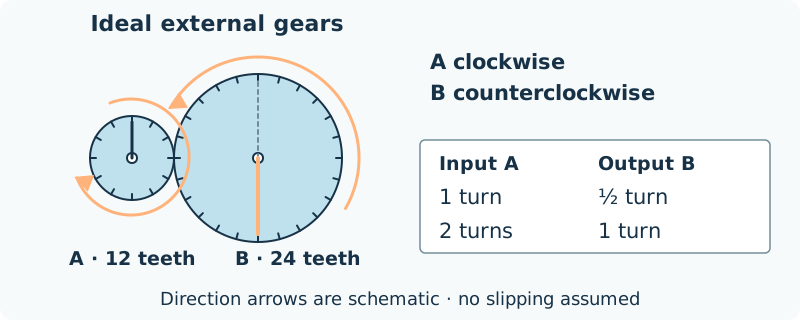
Engineering · Investigate
Trace the input and output of a fictional two-gear display without building a machine.
10–20 minutes, or one small comparisonTry this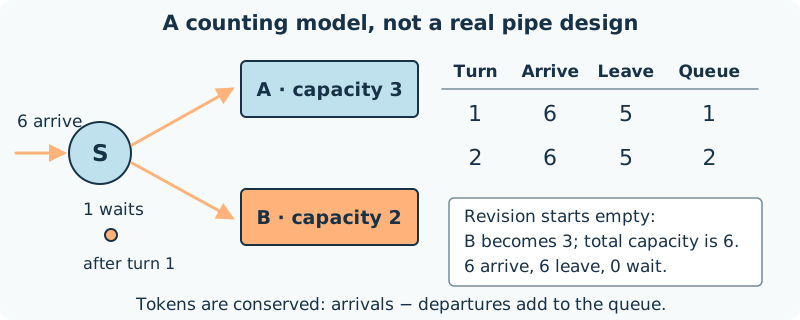
Engineering · Investigate
Use drawn tokens to explore a branching network with a limited capacity.
10–20 minutes, or one small comparisonTry this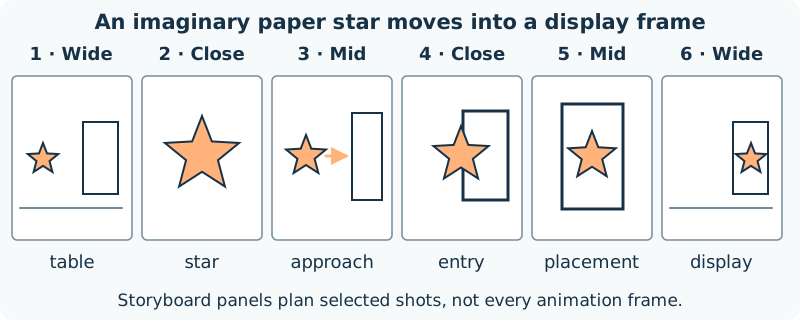
Film & Animation · Make
Plan a small invented object story using six labelled frames.
10–20 minutes, or one small comparisonTry this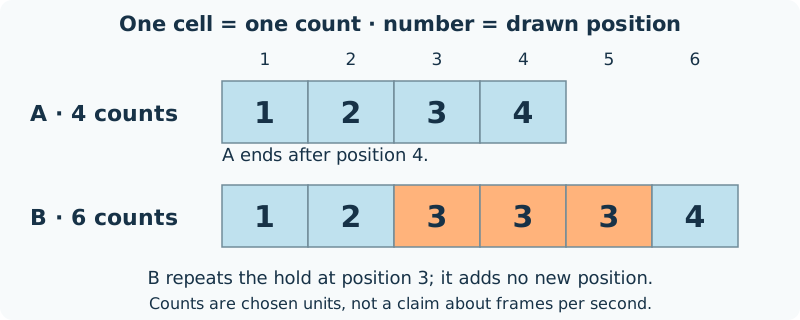
Film & Animation · Investigate
Compare two timing plans for the same four drawn positions.
10–20 minutes, or one small comparisonTry this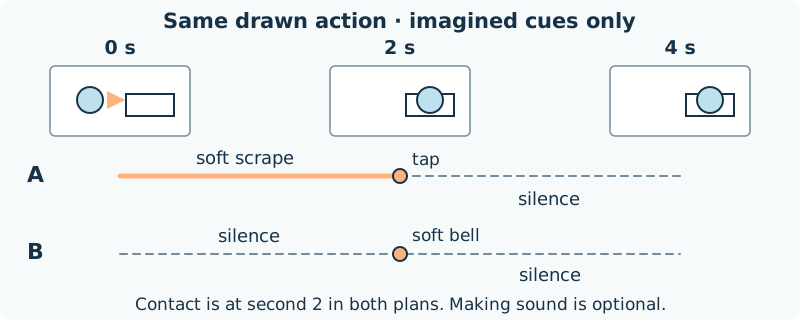
Film & Animation · Make
Write two sound plans for the same quiet fictional scene, with no recording.
10–20 minutes, or one small comparisonTry this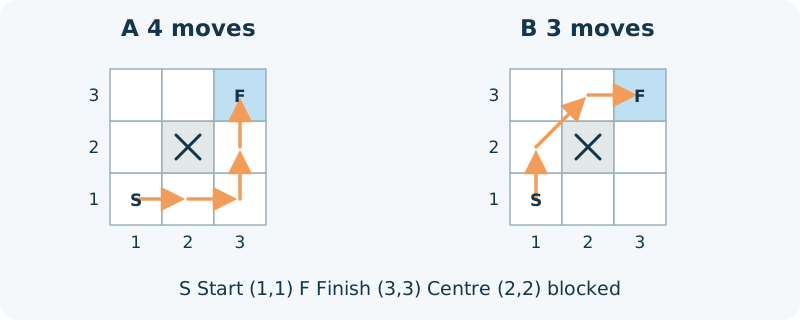
Games · Investigate
Compare two versions of a complete paper puzzle. Keep the board and goal the same while changing the allowed movement.
10–20 minutes, or one routeTry this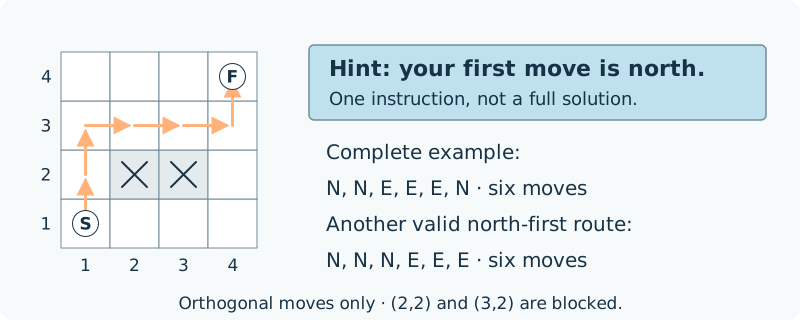
Games · Make
Create a small grid puzzle and choose a clue that leaves room to explore.
10–20 minutes, or one small comparisonTry this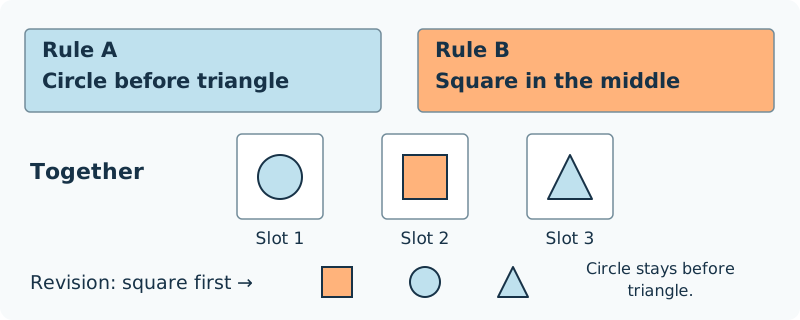
Games · Make
Build a shared-goal puzzle in which two fictional rule cards contribute different information.
10–20 minutes, or one small comparisonTry this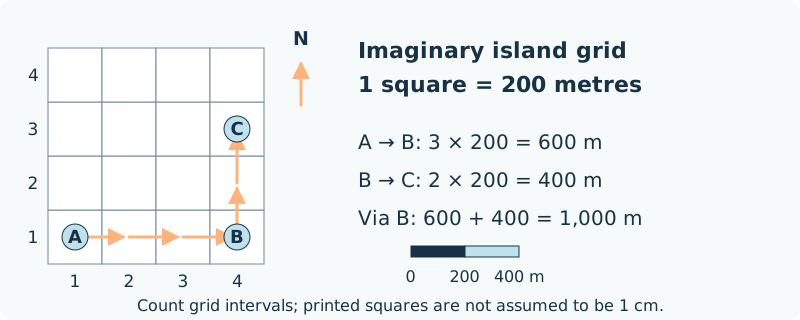
Geography · Investigate
Use a stated scale to calculate distances on a completely imaginary island.
10–20 minutes, or one small comparisonTry this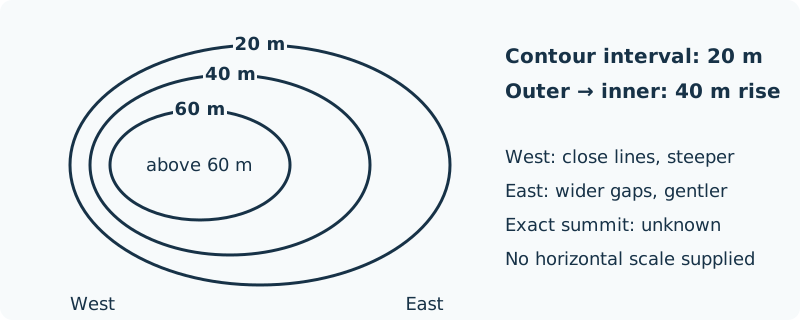
Geography · Investigate
Read equal-height lines on an invented hill and leave the exact summit unknown.
10–20 minutes, or one small comparisonTry this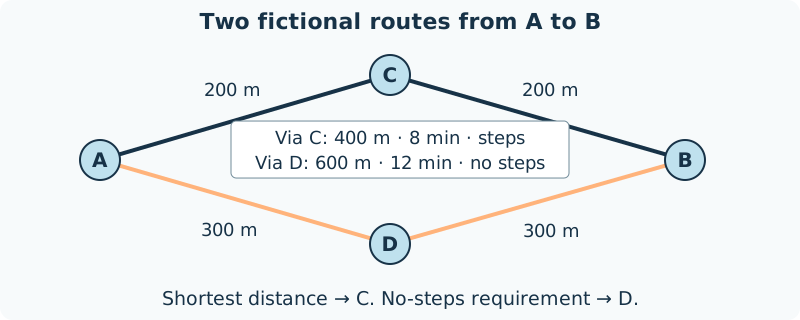
Geography · Investigate
Compare two fictional routes using a stated goal as well as their distance.
10–20 minutes, or one small comparisonTry this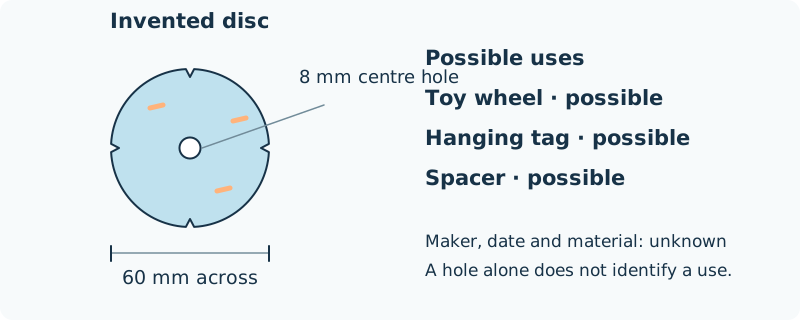
History · Investigate
Compare possible uses of a completely invented object while keeping observation separate from a guess.
10–20 minutes, or one small comparisonTry this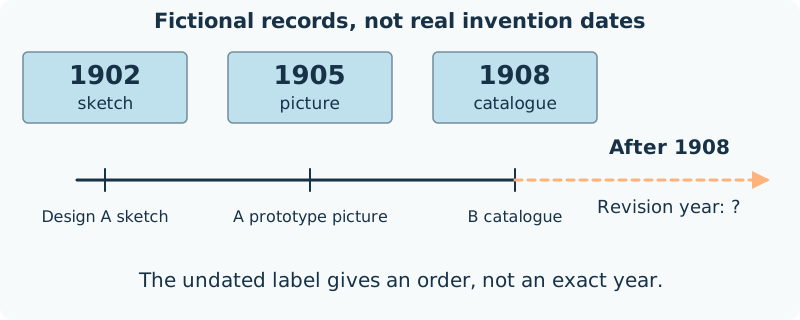
History · Investigate
Order supplied fictional records without turning missing dates into facts.
10–20 minutes, or one small comparisonTry this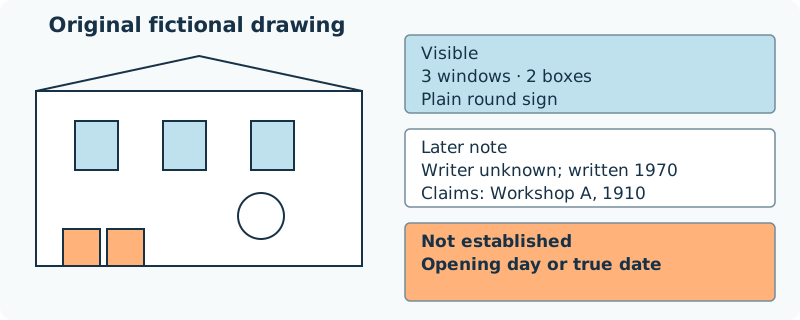
History · Investigate
Compare what an original drawing shows with claims supplied by a separate caption.
10–20 minutes, or one small comparisonTry this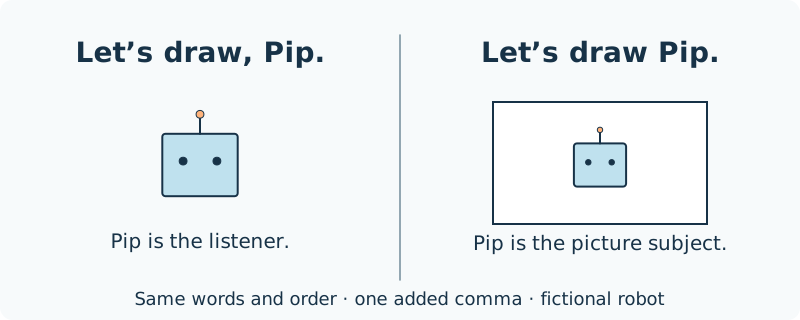
Languages · Investigate
Use the same words to compare direct address with the object of a sentence.
10–20 minutes, or one small comparisonTry this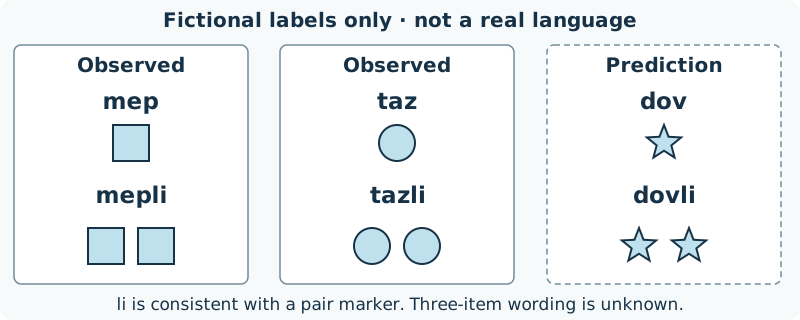
Languages · Investigate
Find a pattern in a tiny fictional label system and state how far the evidence goes.
10–20 minutes, or one small comparisonTry this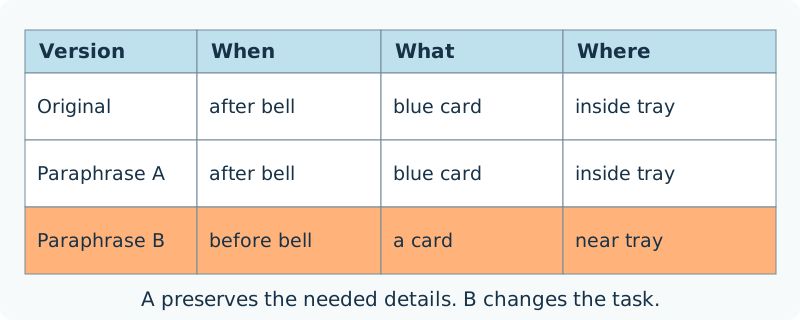
Languages · Investigate
Compare paraphrases by checking which details they preserve.
10–20 minutes, or one small comparisonTry this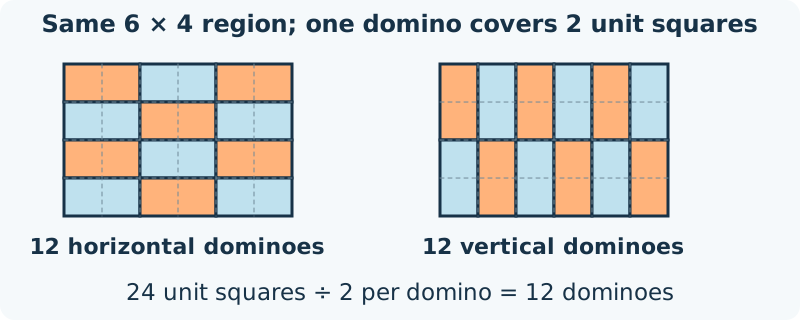
Mathematics · Make
Cover a small drawn region with repeated two-square tiles, then explain why a count alone is not a complete proof.
15–25 minutes, or one rowTry this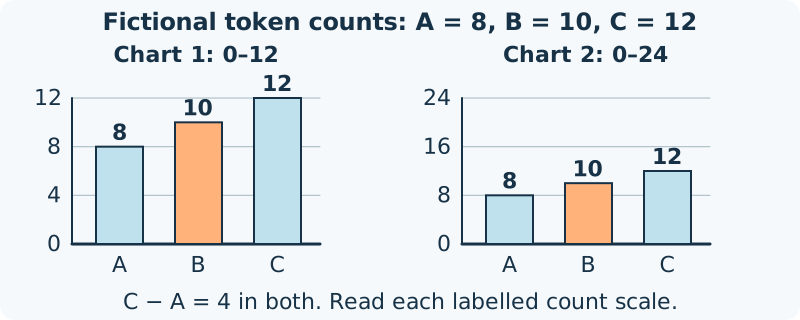
Mathematics · Investigate
Display the same fictional token counts with two labelled scales, and separate a visual impression from a numerical difference.
15–25 minutes, or one comparisonTry this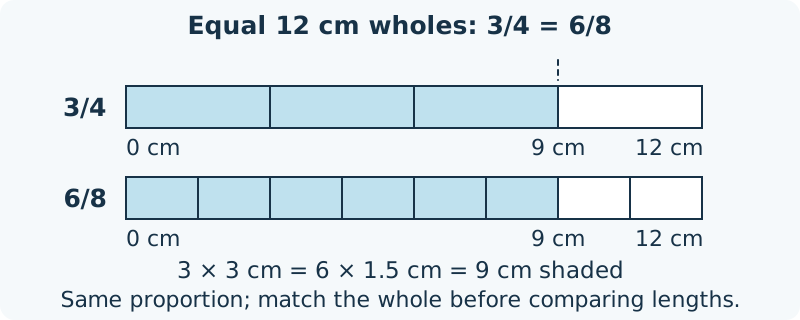
Mathematics · Make
Shade equivalent fractions on equal-length strips and explain the difference between an equal proportion and an equal physical amount.
15–25 minutes, or one strip comparisonTry this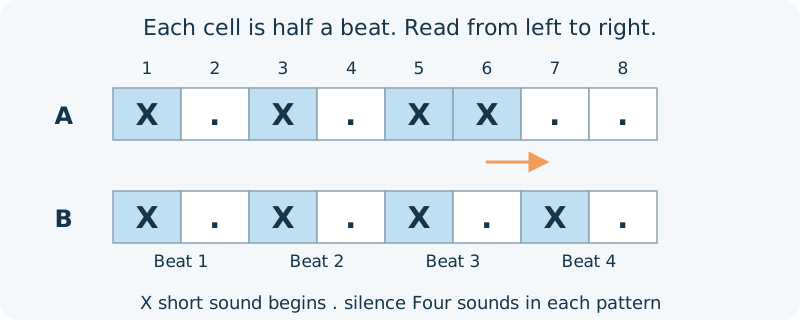
Music · Make
Read an original visual rhythm, move one sound and explain the change. Sound-making is entirely optional.
10–20 minutes, or one silent comparisonTry this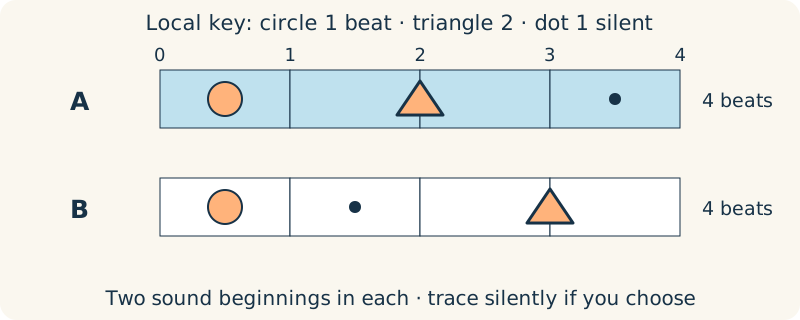
Music · Make
Give three symbols exact time meanings, then check whether someone could follow your score without guessing. Listening or making a sound is optional.
15–25 minutes, or one comparisonTry this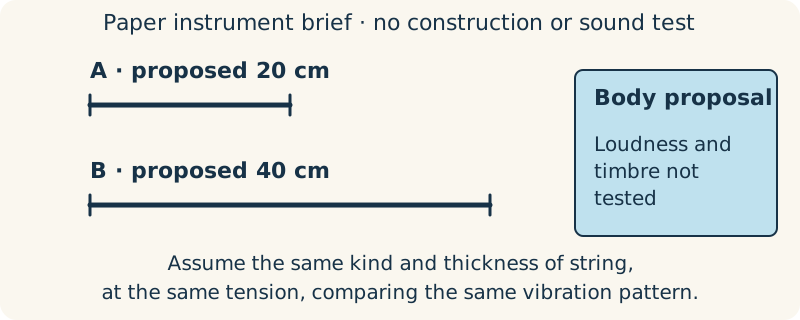
Music · Explore
Sketch a possible string instrument and label an aim, a prediction and the evidence still missing. The entire investigation stays on paper.
15–25 minutes, or one comparisonTry this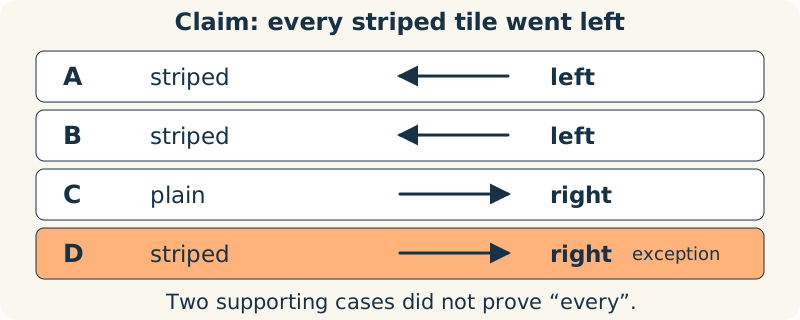
Philosophy · Investigate
Use four invented machine records to separate a claim, its supporting reason and the question that could change it.
15–25 minutes, or one comparisonTry this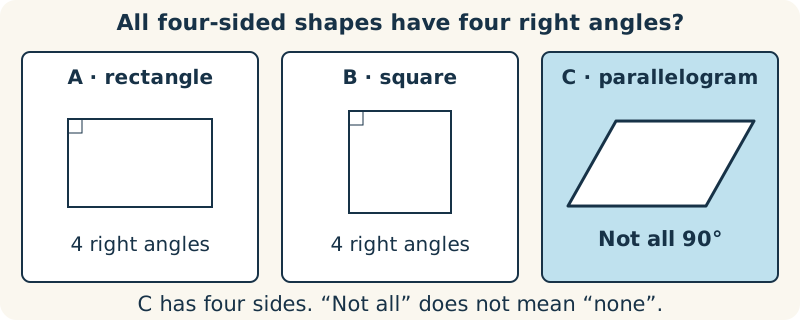
Philosophy · Investigate
Check an “all” claim with three constructed shape cards, then write exactly what one exception establishes.
15–25 minutes, or one comparisonTry this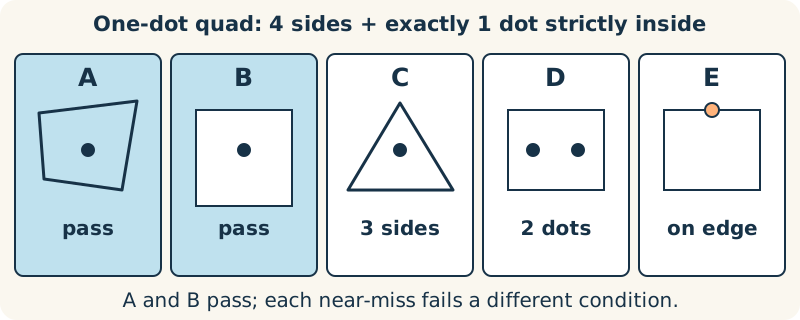
Philosophy · Make
Invent a precise category for five supplied shape cards, including a boundary case. Your definition must tell another reader what to do.
15–25 minutes, or one comparisonTry this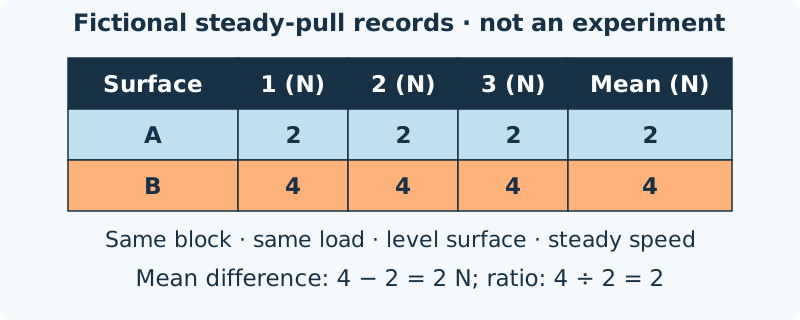
Physics · Investigate
Read a completely invented steady-pull table, calculate its averages and identify what a real comparison would need to hold consistent.
15–25 minutes, or one table rowTry this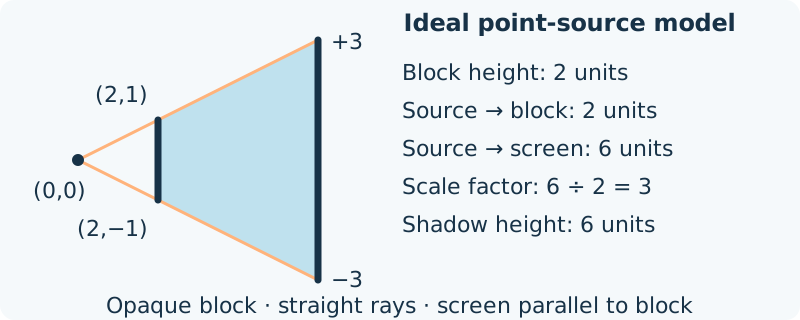
Physics · Explore
Use a complete point-source drawing to locate a shadow region and explain what an ideal ray model leaves out.
15–25 minutes, or two raysTry this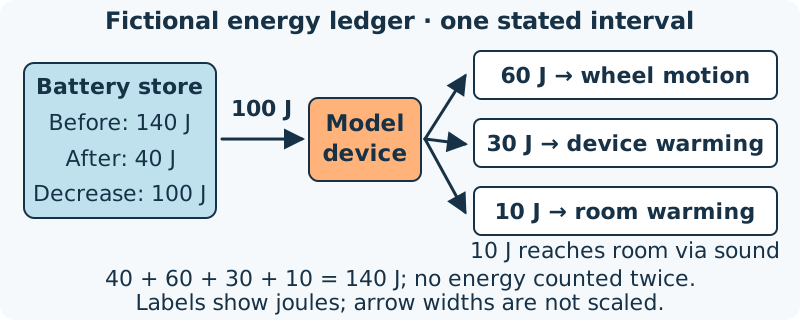
Physics · Investigate
Complete a fictional machine’s energy ledger, distinguish transfers from stores and account for every stated joule without building anything.
15–25 minutes, or one balanceTry this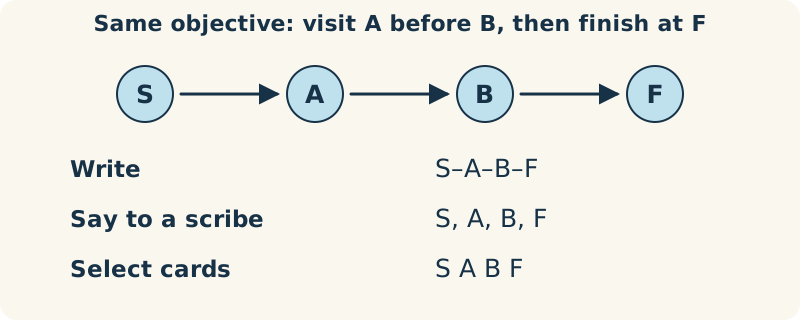
Sport & Movement · Make
Design a paper game in which the objective stays clear while the way someone communicates a move can change. No physical game or group is required.
15–25 minutes, or one comparisonTry this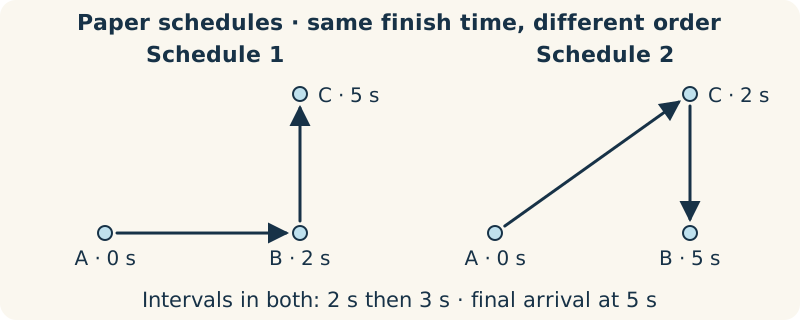
Sport & Movement · Explore
Represent order and timing with a paper token, then find which information a sequence diagram must supply.
15–25 minutes, or one comparisonTry this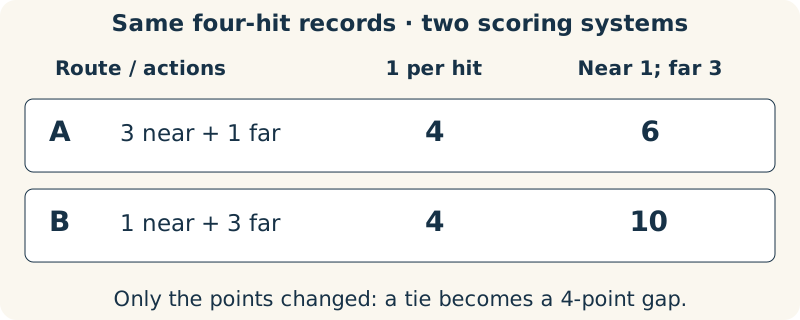
Sport & Movement · Investigate
Apply two transparent scoring rules to the same invented action record, then ask what each rule rewards.
15–25 minutes, or one comparisonTry this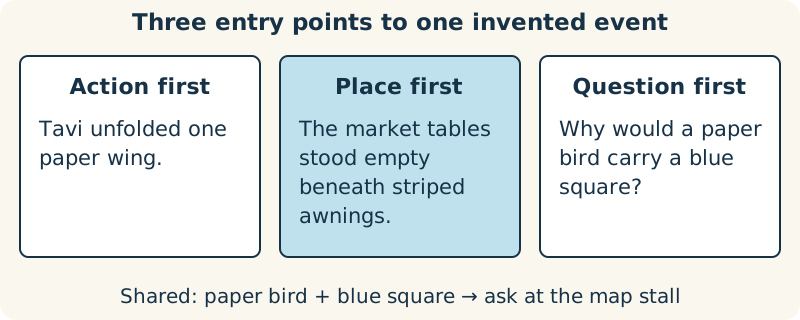
Storytelling · Make
Write three different entry points to the same harmless invented event, then compare what each lets a reader know first.
15–25 minutes, or one comparisonTry this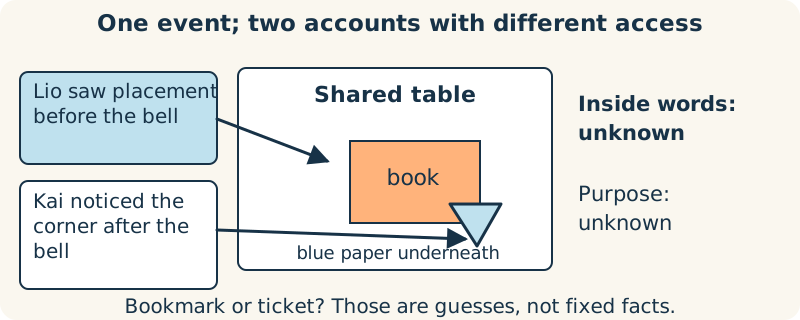
Storytelling · Make
Give two invented narrators different access to one small event. Separate what they can observe from what they merely suppose.
15–25 minutes, or one comparisonTry this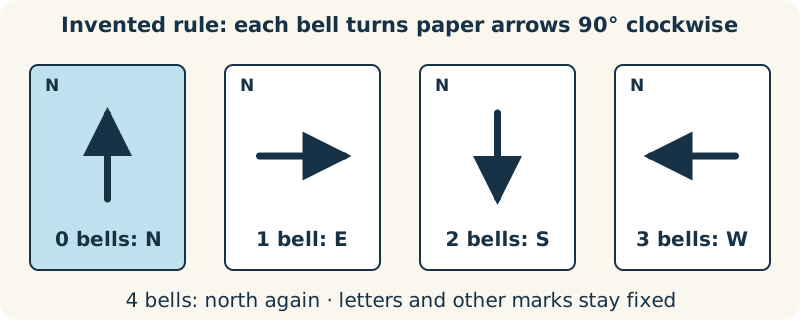
Storytelling · Explore
Give an invented place one clear rule, then derive consequences that follow from it without adding unexplained powers.
15–25 minutes, or one comparisonTry this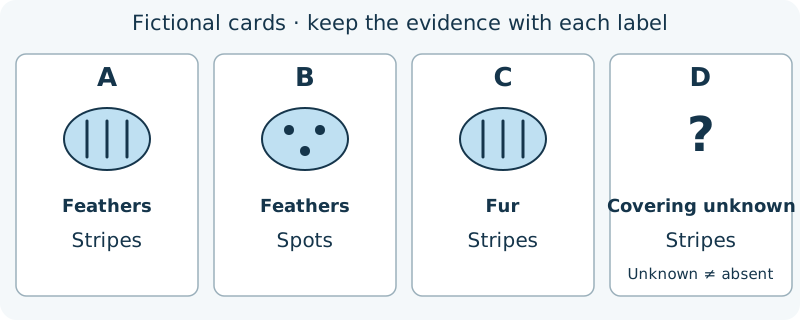
Zoology · Explore
Group four fictional animal cards by stated features, change the rule and keep unknown information visible.
10–20 minutes, or one groupingTry this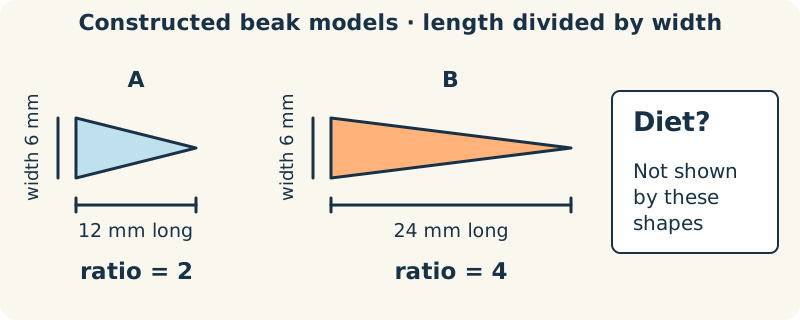
Zoology · Investigate
Compare two original beak models numerically, then separate a visible feature from a claim about how a bird lives.
15–25 minutes, or one comparisonTry this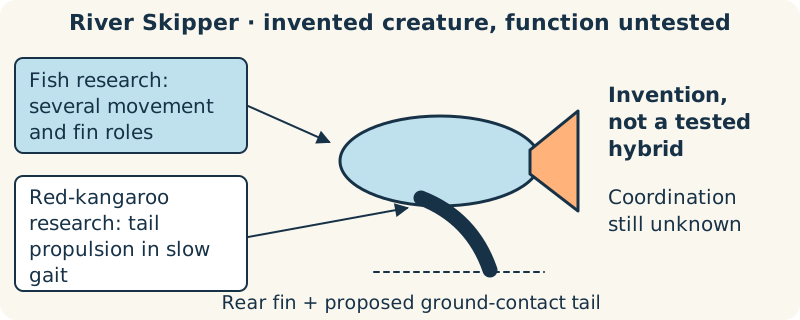
Zoology · Make
Design an imaginary creature while labelling what came from research and what is only an untested invention.
15–25 minutes, or one comparisonTry thisKeep a copy
The activities, examples and worksheets are available to download, together or one at a time. You can use one page, keep it offline or return another day.
Another place to begin
Follow a reviewed reading suggestion, then bring something back to your own project. Reading is an option, never an entry requirement.
Explore the reading shelfReading and downloads do not need an account. My Horizon saving uses the existing free, invitation-only account pilot. Guest project files can be downloaded and reopened on your device.
Your launchpad · your direction
Start with something you like, a question, or a half-formed idea. Go at your own pace. Change direction whenever you want.
Search needs JavaScript. You can read every topic through the A–Z directory.
A space for your own idea
Bring an idea, borrow a starting point or reopen your saved project. Everything here is yours to change.
A little room to wonder
Bring an idea, or try a direction that catches your attention. Turn a spark into a small project, at your pace and in your own way.
Optional starting points inspired by our project-led curriculum. No purchases, public posting or contacting strangers needed.
Pick a game, object or story. What is the smallest version I could make?
What could make a familiar place a little better for people or wildlife?
What have I noticed that I would like to understand better?
Choose the .json file you downloaded from this planner. It is read on your device and isn’t uploaded. Reopening replaces the plan in this page only after you confirm.
Write down something that catches your attention and one question about it. Choose a small project and a safe action to try. Add a milestone if it helps. Afterwards: what surprised you, and would you like to continue, pause or change direction?
The interactive planner needs JavaScript. You can still read about the pilot and email us below.